Local Raw Materials for Fish Feed in Nigeria
2026-04-14
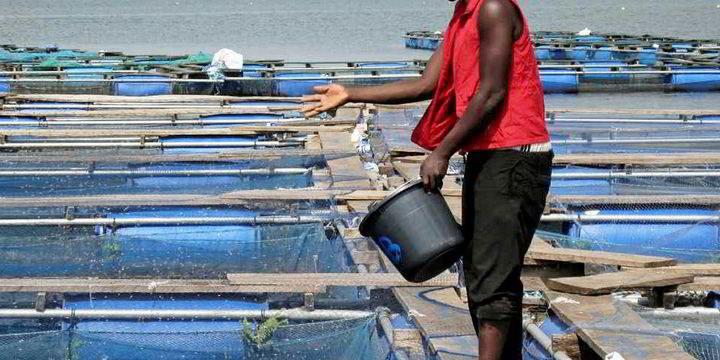
Nigeria has one of the fastest-growing aquaculture industries in Africa, and fish feed production plays a central role in supporting the expansion of this industry. As the demand for affordable animal protein continues to rise among Nigeria’s large and growing population, aquaculture – particularly catfish and tilapia farming – has emerged as an important area of agricultural investment. As a result, the fish feed industry is becoming an important part of the aquaculture value chain in Nigeria.
Why use local Nigerian fish feed ingredients?
1. The rapid development of aquaculture in Nigeria
Despite the rapid development of aquaculture, Nigeria is still heavily dependent on imports for the supply of fish feed. It is estimated that as much as 75 percent of the fish feed used by farmers has historically been imported, especially high-quality floating feeds. This supply gap creates a huge investment opportunity in the feed production business.
2. Nigeria’s feed production industry is on the rise
As a result, more and more domestic and foreign companies are investing in fish feed mills across Nigeria, and more and more local farms are making their own fish feed to save on production costs. Despite the strong growth potential of the fish feed production industry, the high cost of raw materials is a major constraint to the growth of fish feed production.
3. Expensive feed imports into Nigeria
As one of the fastest growing protein production industries in the world, the Nigerian aquaculture industry is facing the key challenge of reducing feed costs. The high price and unstable supply situation of imported fish feeds have imposed constraints on production.
4. Abundance and lower cost of local feed ingredients in Nigeria
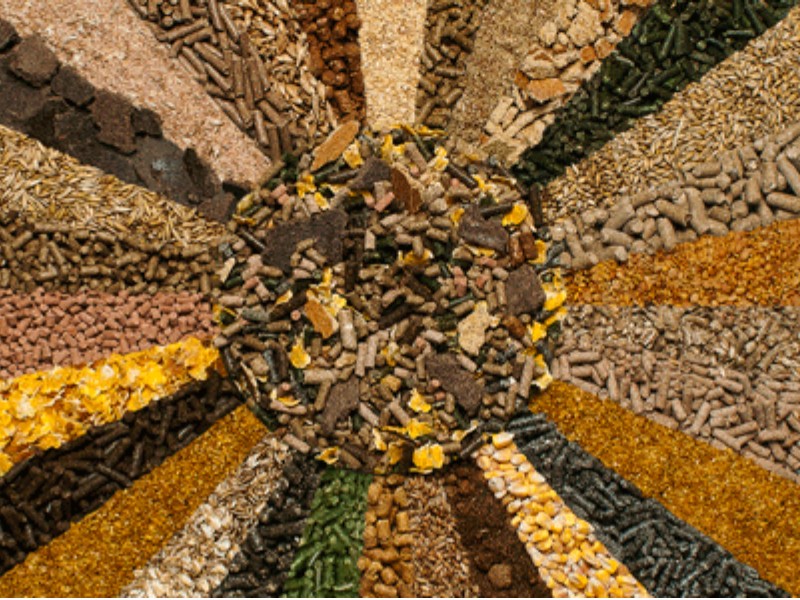
Therefore, from both environmental and economic perspectives, it is imperative to fully utilize local raw materials (e.g., yam, plantain, maize, cassava, sorghum, groundnut, beans and brewing wastes, etc.) and produce nutrient-rich aquafeeds using feed extrusion and expansion equipment in order to reduce the cost of feeds and build a complete aquaculture value chain. At the same time, local plant proteins (e.g., peanuts, melon crops and soybeans) can effectively replace expensive animal proteins. The use of local raw materials to produce aquafeeds can be done on both a small and commercial scale.
Benefits of using indigenous Nigerian raw materials
1. Reducing fish feed costs
The low prices and abundant supply of locally sourced ingredients (e.g. cassava flour, peanut meal and rice bran) can significantly reduce the production costs of fish feeds and keep their prices affordable for small farmers, thus contributing strongly to the popularization and spread of aquaculture.
2. Reducing dependence on imported aquafeeds
Currently, imported fish feeds are not only expensive but also highly unstable in supply. Making full use of local ingredients can help overcome this constraint, thereby increasing the autonomy and stability of the aquaculture supply chain.
3. High protein content and sustainability
Some local ingredients (e.g. gadfly larvae meal and fly maggots) are protein-rich and sustainable, and can be effective alternatives to traditional fishmeal.
4. Environmentally friendly and waste utilization
The use of such raw materials not only reduces production costs, but also reduces waste generation, thus contributing to the sustainable development of the environment, and is in line with the future direction of the Nigerian aquaculture industry.
5.Improve food safety and livelihoods
Reducing the cost of aquafeeds will help promote the expansion of the fish farming industry, which in turn will increase fish production, improve food safety, and create more jobs and better living conditions for those working along the aquaculture value chain.
6.Supporting local supply chains and enhancing industry resilience
Building on local resources can help build more resilient and sustainable aquaculture systems, effectively hedge against the risks associated with import volatility, and create economic growth opportunities for rural communities.
What raw materials are typically included in a fish feed formulation?
A complete fish feed formulation must contain the following five basic nutrients to meet the needs of healthy fish growth:
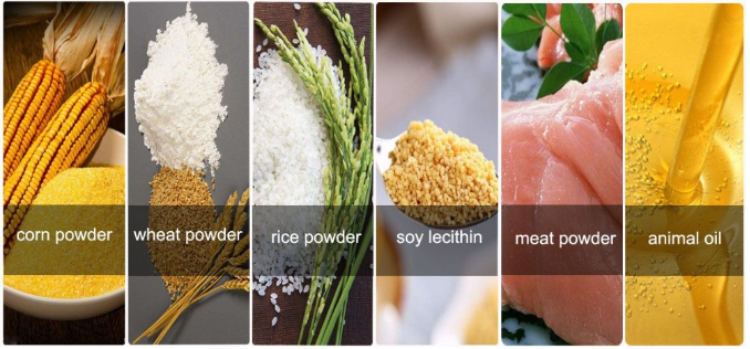
1.Protein: This is the most important nutrient element and the main determinant of the price of fish feed. It is categorized into animal proteins (usually of high quality) and plant proteins. Sources of animal protein usually include: fishmeal, catfish by-products, meat and bone meal/blood meal and poultry by-product meal. Plant-based protein sources typically include: soybean meal, cottonseed meal, peanut meal, wheat gluten meal, and skim milk powder.
2.Energy supplements (carbohydrates): This is the most economical source of energy and serves to prevent protein from being consumed as energy. Sources of carbohydrates are usually grains and their by-products (e.g. wheat, bran, rice bran and corn).
Special note: Although corn is high in carbohydrates, its absorption and utilization by fish and shrimp is low, so its use in formulations should be kept low. Wheat is rich in starch, which has a natural binding effect and helps to improve the stability of the feed in water.
3.Minerals and vitamins: they play a key role in fish growth and nutrient metabolism, and must be provided in easily digestible and absorbable forms. Their raw material sources usually include fishmeal, shellfish meal, eggshell meal, calcium phosphate and bone meal.
The required proportions of each type of ingredient in a fish feed formulation will vary slightly with the growth stage of the fish. In the case of catfish, for example, as catfish grow from fry to adults, the proportion of fishmeal in the feed decreases (from 45% to 20%), while the proportion of plant-based energy ingredients (e.g., maize) increases accordingly; at the same time, the crude protein content decreases from 50% to 38%.
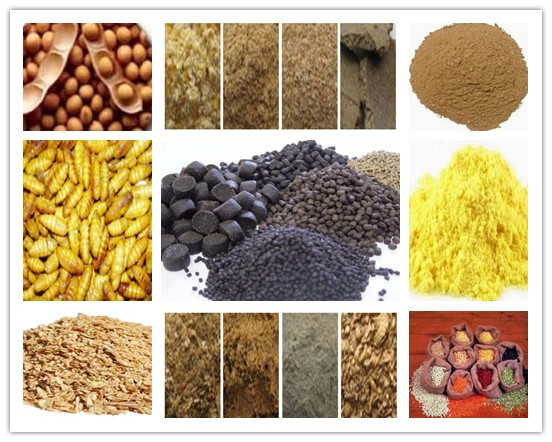
What are the locally available raw materials for fish feed in Nigeria?
1. Nigeria is rich in indigenous sources of feed ingredients for fish.
Protein sources include fishmeal, bloodmeal, pupa meal, shrimp meal, earthworms, maggots, insects, as well as offal, blood, bones and hides of livestock (pigs, cows, goats, chickens) of animal origin, while vegetable sources include soybean meal, cottonseed meal, rapeseed meal, peanut meal, sesame seed meal and maize protein meal. Energy sources include wheat, bran, whole rice bran, corn (in controlled amounts), and other grains. Mineral sources include shell meal, eggshell meal, calcium phosphate and bone meal. In addition, yams, plantains, cassava, sorghum, groundnuts, cowpeas, brewing wastes, and food wastes were also listed as potentially usable raw materials.
2. Considerations when utilizing local raw materials
When utilizing local raw materials, the following principles should be followed: first, scientifically designed nutritionally balanced formulas should be based on different fish species, growth stages and water quality conditions. For example, in catfish feed, the proportion of fishmeal added should be gradually reduced from 45% in the fry stage to 20% in the adult stage, while the crude protein content should be adjusted accordingly. Secondly, the digestibility of the raw material must be considered; for example, although blood meal has a high protein content, its digestibility is relatively low. Finally, appropriate processing equipment (e.g. feed mills, mixers, expanders and dryers) is needed to process local ingredients into floating pellet feeds with good water stability. With scientific formulation and proper processing, Nigeria is well positioned to achieve the goal of low-cost and efficient aquafeed production.
How to utilize local Nigerian raw materials for fish feed production
1.Adherence to scientific formulation principles
The production of fish feeds from local ingredients in Nigeria must first be based on scientific formulation principles. The nutritional requirements of different fish species, growth stages, body weights, feeding habits and even water conditions must be precisely met. At the same time, the palatability and digestibility of the ingredients must be taken into account (e.g. blood meal is high in crude protein but low in digestibility, whereas bone meal is the opposite), and the balance of proteins and amino acids must be maintained. Nutritional value should be ensured while keeping the cost of raw materials as low as possible.
Based on the above principles, Nigeria’s abundant local resources – such as offal, blood, bones and skins of livestock (pigs, cows, goats, chickens), as well as soya bean meal, cottonseed meal, groundnut meal, maize, wheat, cassava and yam, among others – can be fully utilized. Thus designing feed formulations that are both economical and efficient.
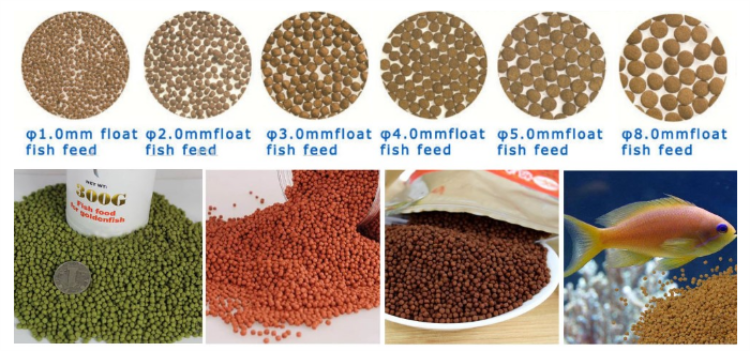
2.Advanced aquafeed processing technology is the key to success
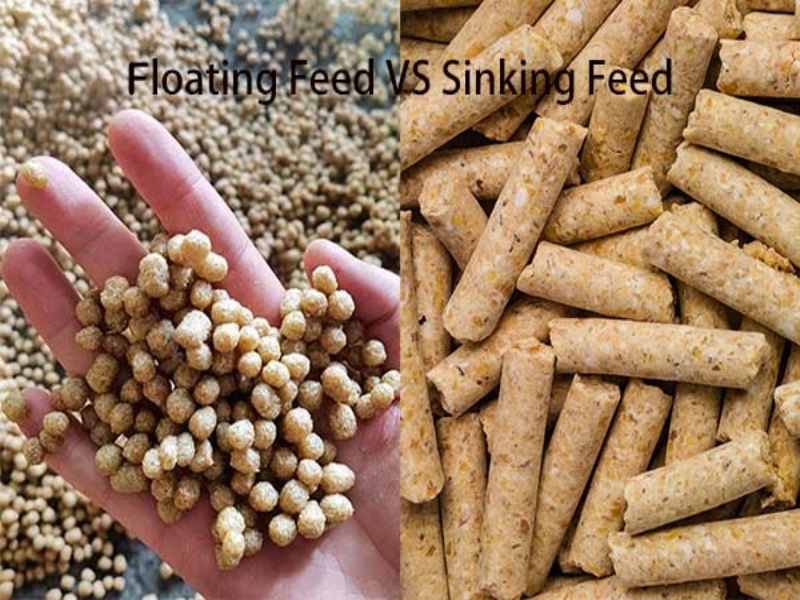
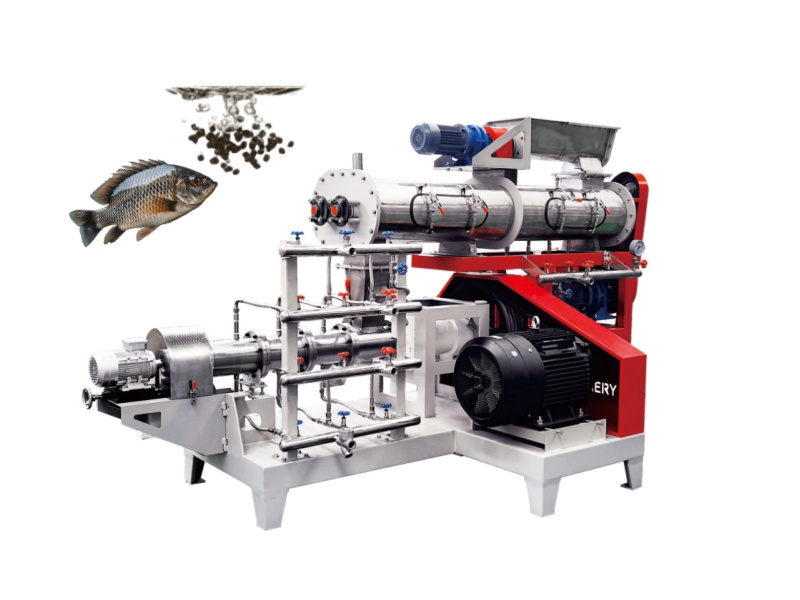
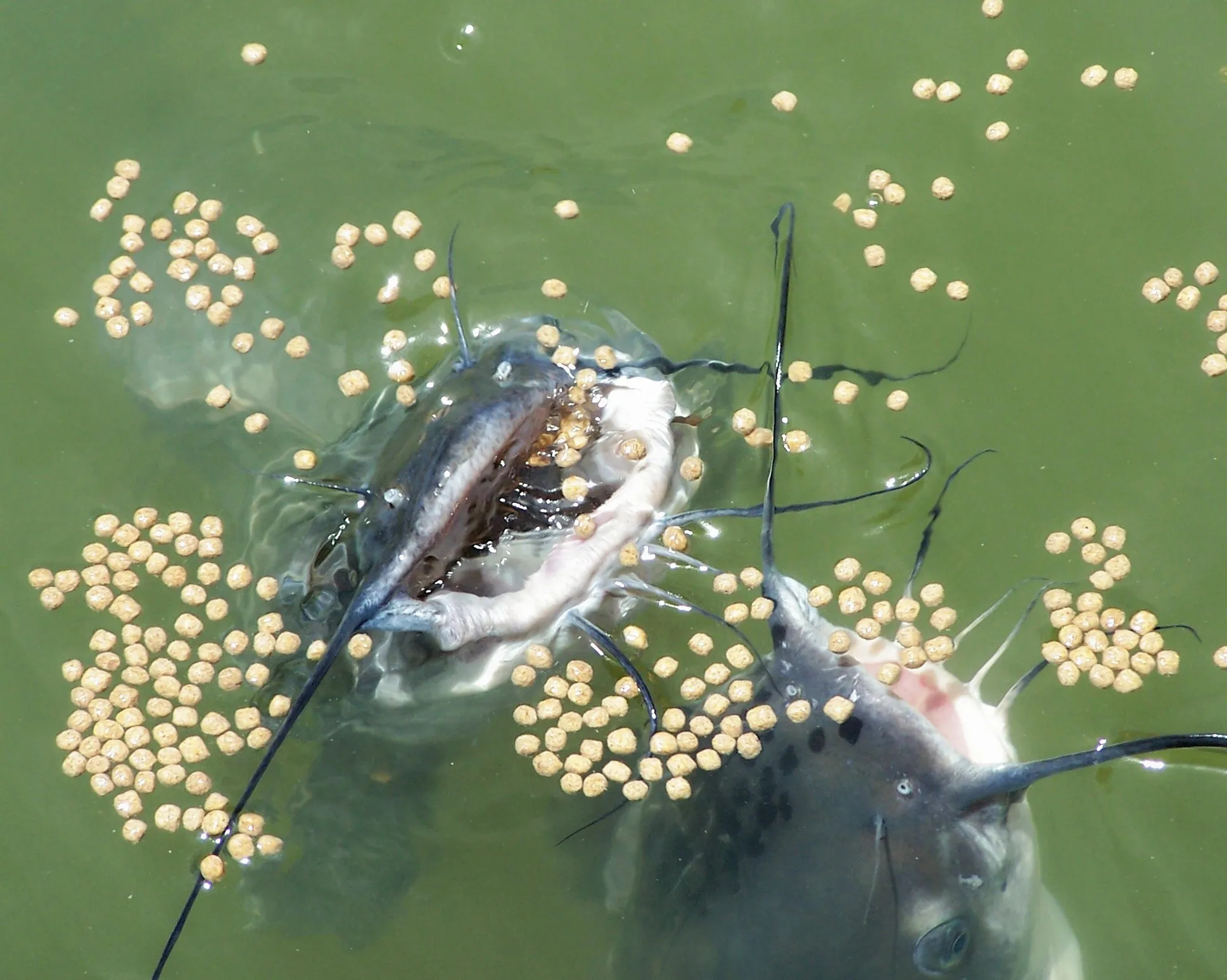
A complete fish feed production process usually includes: crushing → mixing → pelletizing → drying and cooling → packaging. It is recommended to use fish feed expanders to produce floatable fish feeds, which allow the floating time of the feed particles in the water to be regulated.
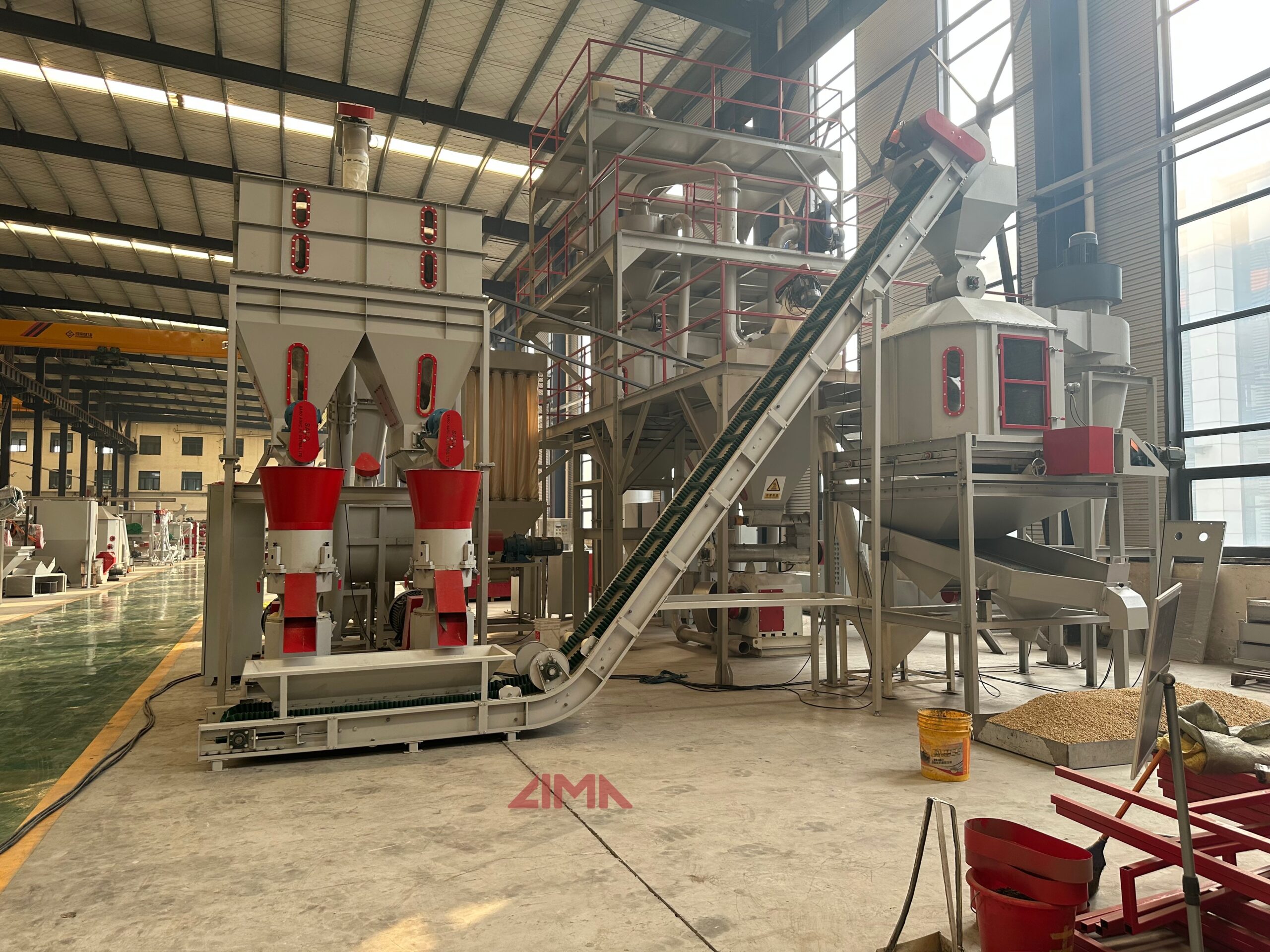
To complete each step of the production process, it is necessary to have the appropriate equipment: a grinder (e.g. LIMA 35) for fine grinding of the raw material; a high efficiency mixer (e.g. LIMA 250) to ensure homogeneous mixing of the raw material; an extruder (e.g. LIMA 80) for pelleting and molding; a dryer to reduce the moisture content of the finished fish feeds to between 8 and 12% for long term storage; and finally, an automatic packaging machine for weighing and packaging. The dryer is used to reduce the moisture content of the finished fish feed to 8 to 8 percent for long-term storage.
3. Find a reliable local fish feed equipment supplier
If you want to find a reliable local fish feed equipment supplier, Lima Feed Machinery in Ogun, Nigeria is a good choice, it is an old feed machinery source factory, a professional manufacturer of fish feed machinery and equipment, providing complete fish feed production solutions and professional localized after-sales service, headquartered in Zhengzhou, China, with warehouses in Ogun, Nigeria, and in Lagos, Kano, Abuja and other places in the world. Headquartered in Zhengzhou, China, with a warehouse in Ogun, Nigeria, and stores and showrooms in Lagos, Kano, Abuja and other cities.
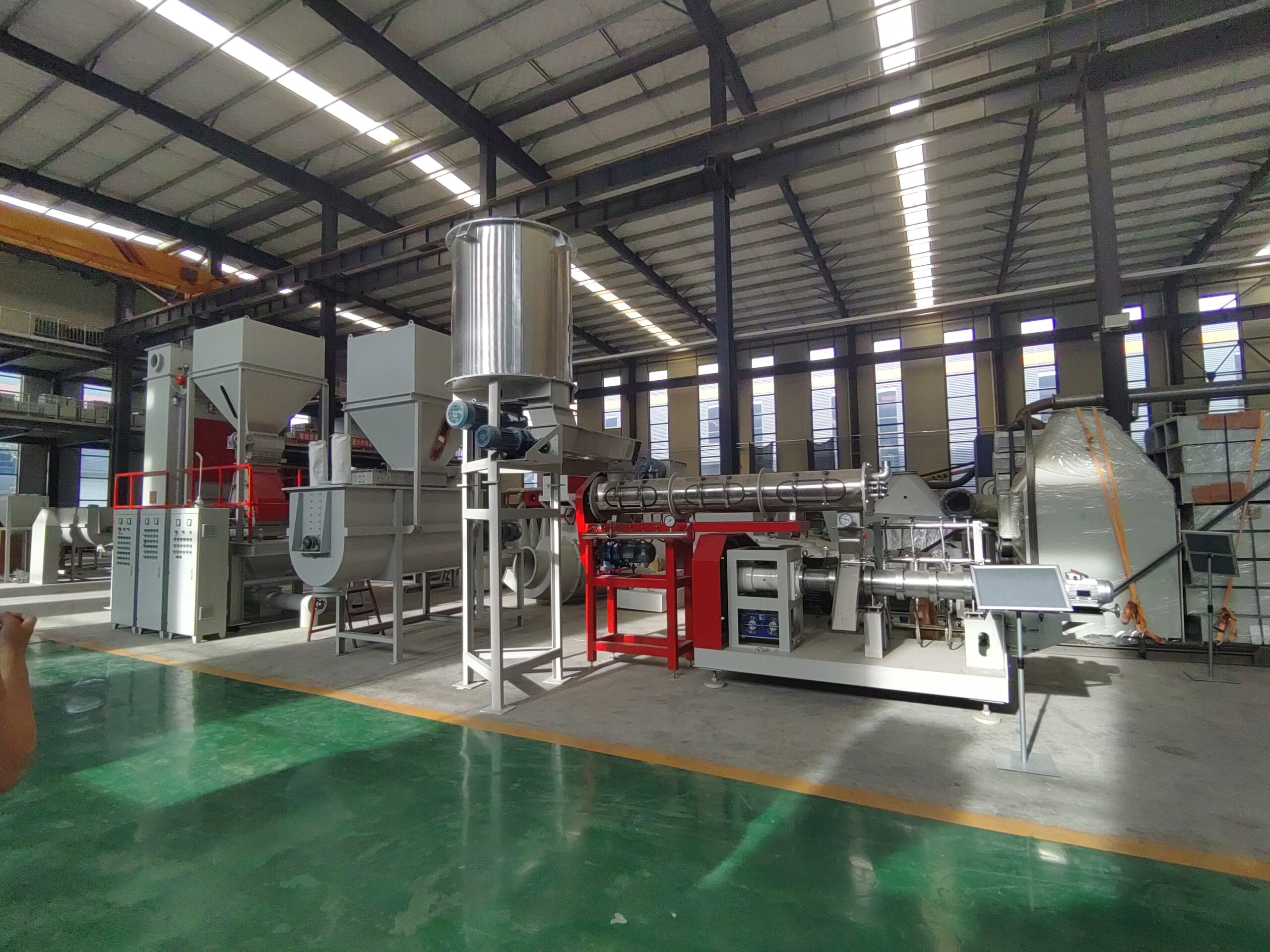
4. Production Precautions
In addition, in the actual production of fish feeds, the following points should be noted: maize should be controlled because its carbohydrates are not easily absorbed by fish and shrimp; wheat is rich in starch, which can be used as a natural binder to help improve the stability of feeds in the water; in addition, about 6% of full-fat rice bran can be added in moderation to help pelleting and shape and save electricity, but its oxidation and rancidity must be strictly prevented when it is used. However, it must be strictly prevented from oxidizing and deteriorating when used.
Through scientific formulation and rational processing, Nigerian fish farmers are well positioned to fully utilize local resources to produce high quality fish pellet feeds. The ultimate goal is to significantly reduce the cost of fish feed, which accounts for 60 to 75 percent of aquaculture costs, without jeopardizing the quality and nutrition of fish feed, thus reducing dependence on imported aquafeeds, improving fish farming profitability and promoting the sustainable development of the local aquaculture industry.
Back to List