How to choose the right floating fish feed machine?
2026-04-14
In today’s aquaculture scale and feed quality development, floating fish feed machine has become the core production equipment for farms and feed processing enterprises. Selecting a stable, efficient, suitable for their own needs of the fish feed expander, not only to ensure feed quality, improve the efficiency of aquaculture, but also long-term reduction of energy consumption and loss; on the contrary, it is prone to a series of problems such as particles do not float, high rate of pulverisation, uneven discharge, high failure rate, water pollution and so on.
Combined with a large number of actual production cases and industry experience, for you to systematically sort out: how to scientifically buy a suitable floating fish feed machine.
What is a floating fish feeder?
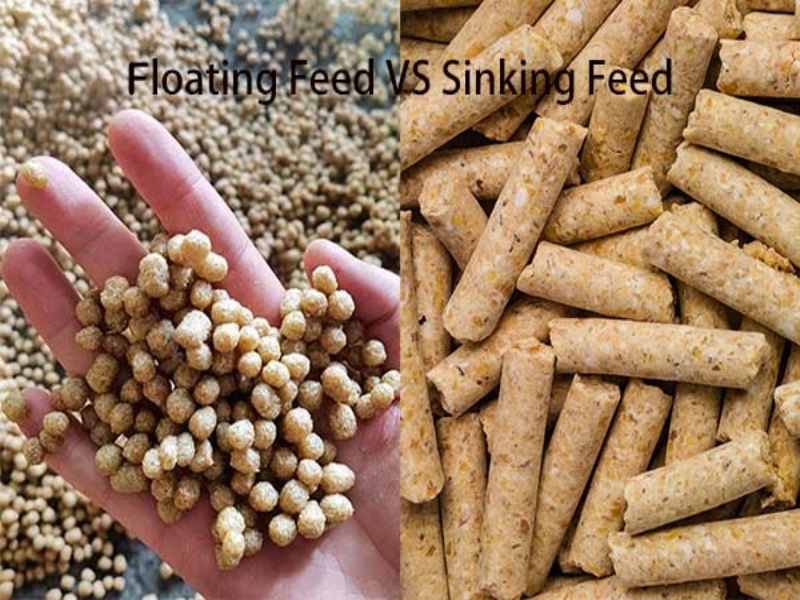
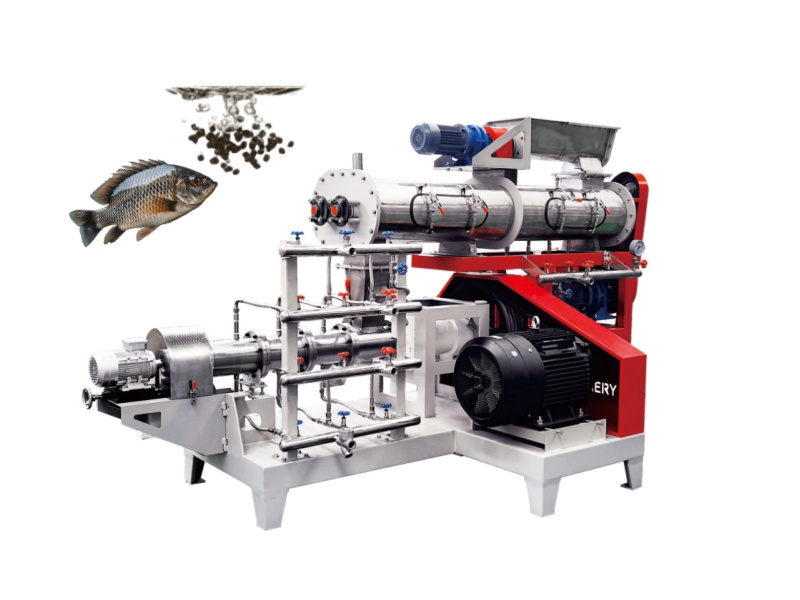
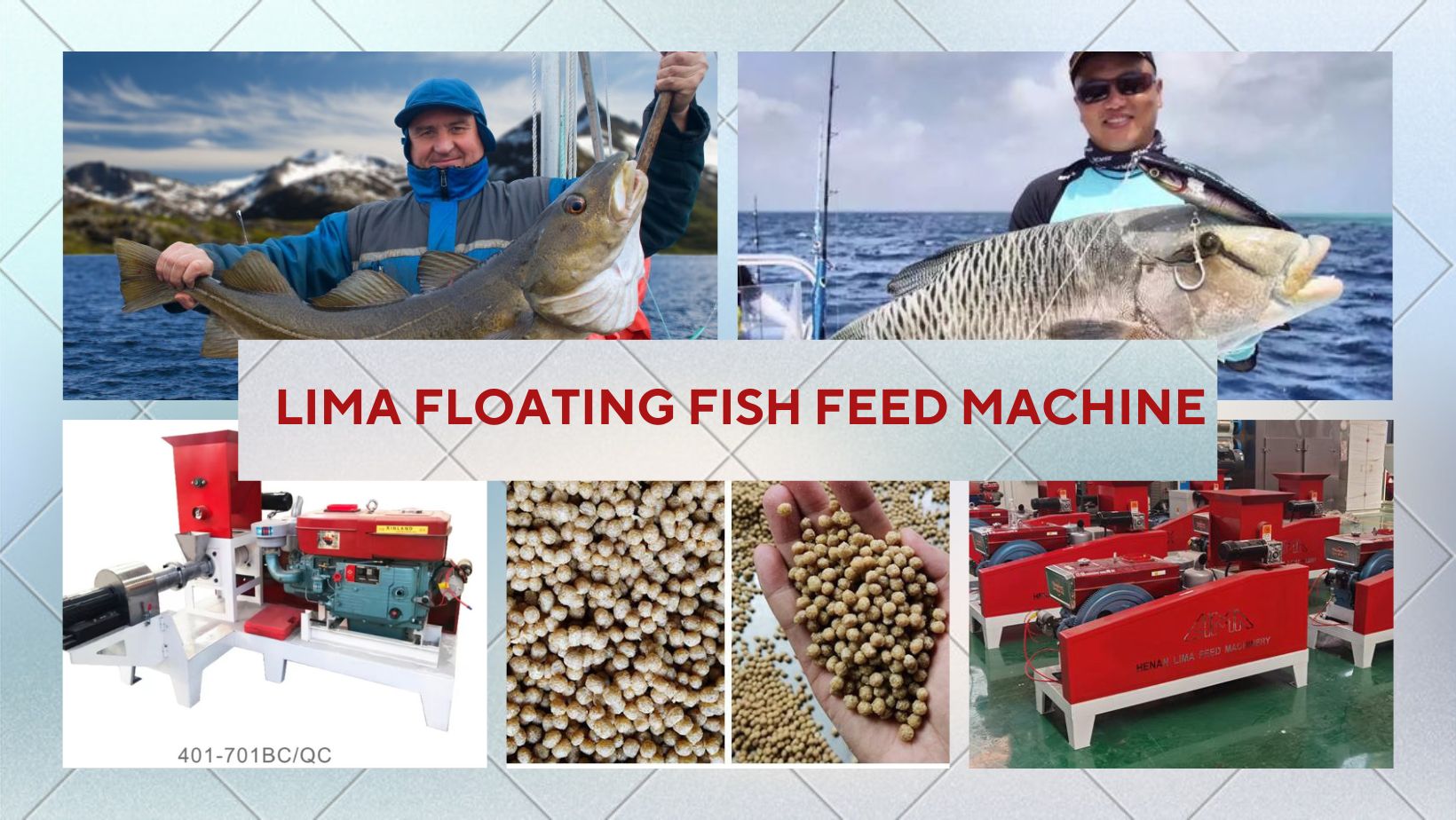
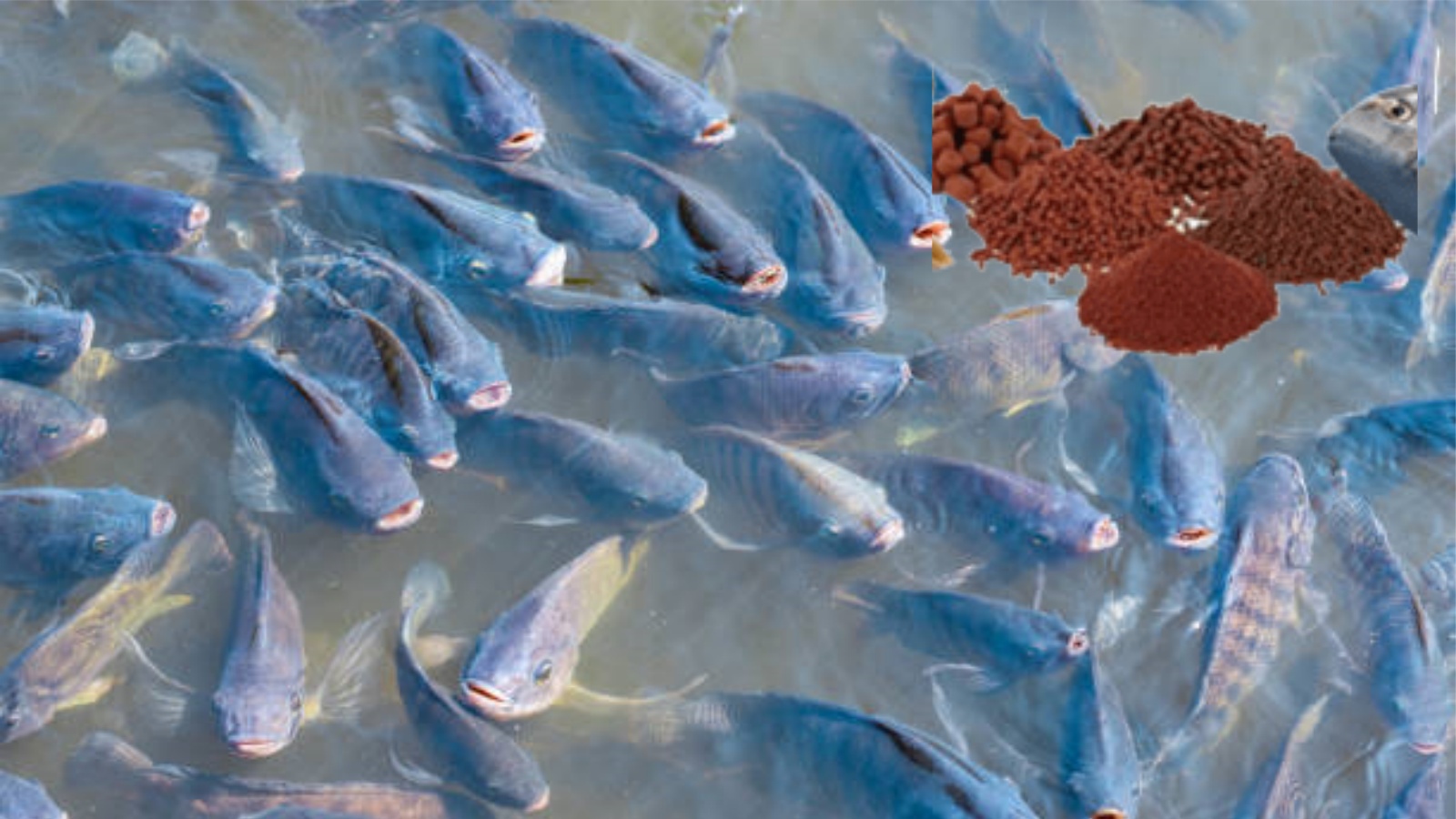
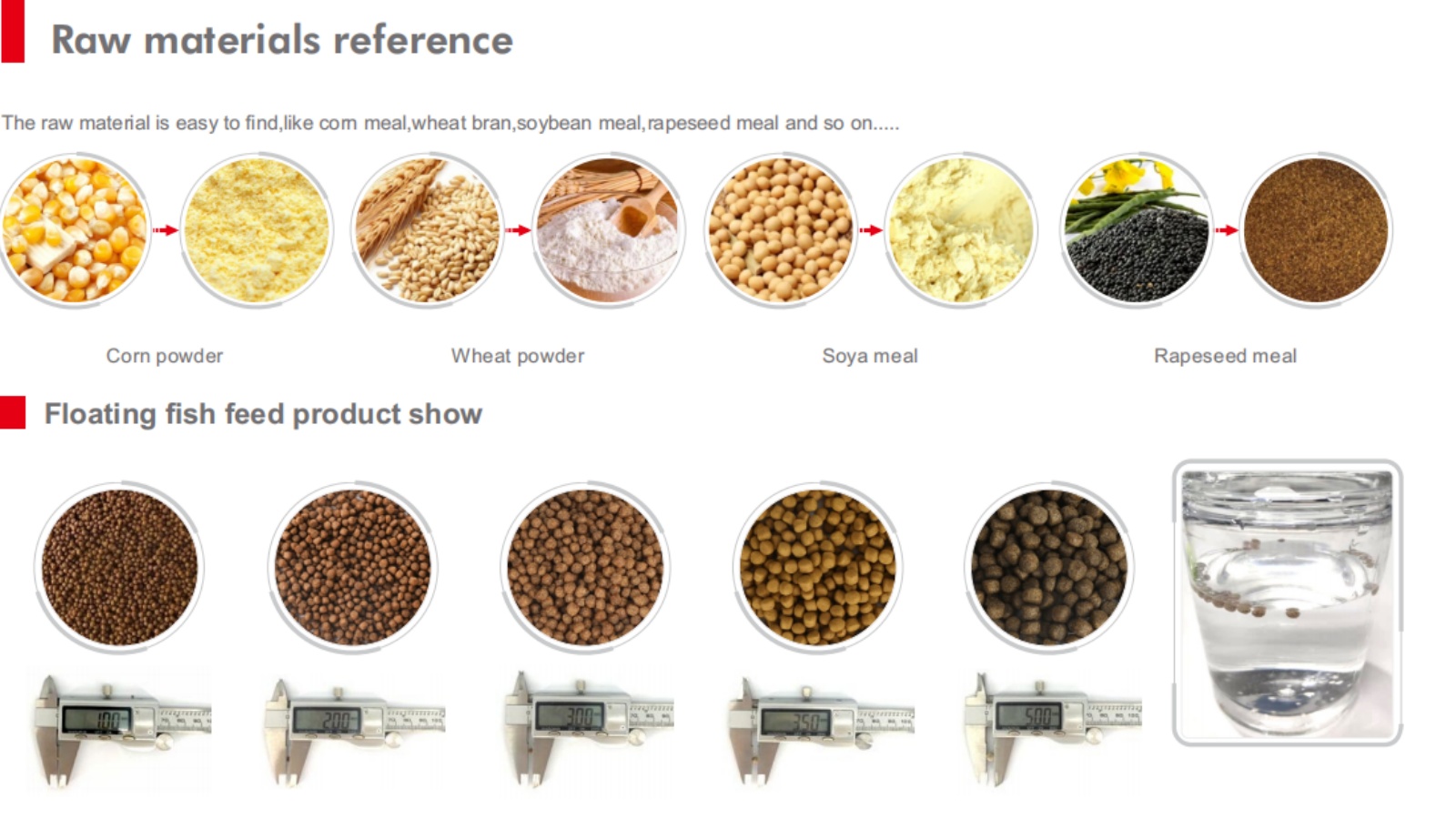
Floating fish feed machine, also often called fish feed extruder, floating fish extruder, is the use of high temperature, high pressure, extrusion expansion principle, soybean meal, corn, bran, fish meal and other raw materials into a long time floating in the water granular feed special equipment.
Its core working logic is: the raw materials are mixed into the puffing chamber, the starch is fully pasted and the protein is denatured under the environment of high temperature and high pressure, and the material is extruded from the mould with a sudden drop in pressure and rapid evaporation of water, forming porous, light and stable particles, thus realizing the long time floating, and at the same time, greatly increasing the digestibility and absorption rate of the feeds and the stability of the water.
Why is it important to choose the right floating fish feeder?
Reduce feed waste and improve utilisation
Floating feed floats on the surface of the water, making it easy to observe fish feeding, avoiding overfeeding and the accumulation of residual bait on the bottom, and significantly improving feed utilisation. Stable quality equipment produces floating pellets with high floating rate and good stability in the water, which can reduce waste from the source.
Protect water quality and reduce disease incidence
Residual bait is not easy to sink to the bottom, not easy to collapse, can reduce the water body ammonia nitrogen, nitrite exceeds the standard, reduce the risk of fish and shrimp gill, enteritis and other diseases, reduce the cost of water changes and medication, to maintain the ecological balance of aquaculture water.
Enhance the digestibility of nutrients, promote growth
Fully expanded feed starch paste degree is higher, the nutrients are more easily absorbed, fish and shrimp growth is more uniform, lower meat ratio. Stable temperature control and reasonable extrusion structure of the extruder can make the raw materials more fully cooked, and the nutritional conversion efficiency is higher.
Reduce long-term production costs
High-quality equipment has a low failure rate, low energy consumption, and long service life of wearing parts, resulting in lower overall operating costs. Durability and easy maintenance design in place of the model, can save long-term maintenance costs and downtime losses, to enhance the overall production efficiency.
Suitable for multi-species and multi-specification production
A good performance floating fish feeder can be adjusted by changing moulds and parameters to produce feeds of different particle sizes and densities, which can meet the production needs of different cultured objects such as fish fry, adult fish, shrimps and crabs, making it more cost-effective for multi-purpose use.
Main types of floating fish feed machine
The mainstream floating fish feed machine in the market is mainly divided into two categories: single-screw and twin-screw, meanwhile, according to the heating method, it can be divided into dry puffing and wet puffing, and different types are suitable for different production scenarios.
Single Screw Floating Fish Feed Machine
Suitable for small farms, family workshops, small feed processing sites, generally lower hourly capacity.
Features: simple structure, affordable price, easy to operate and maintain, mostly dry expansion, no need for complex steam system, small footprint, low investment threshold.
Limitations: general adaptability to high-fat, high-viscosity, high-protein raw materials, more suitable for grain-based conventional fish feed production.
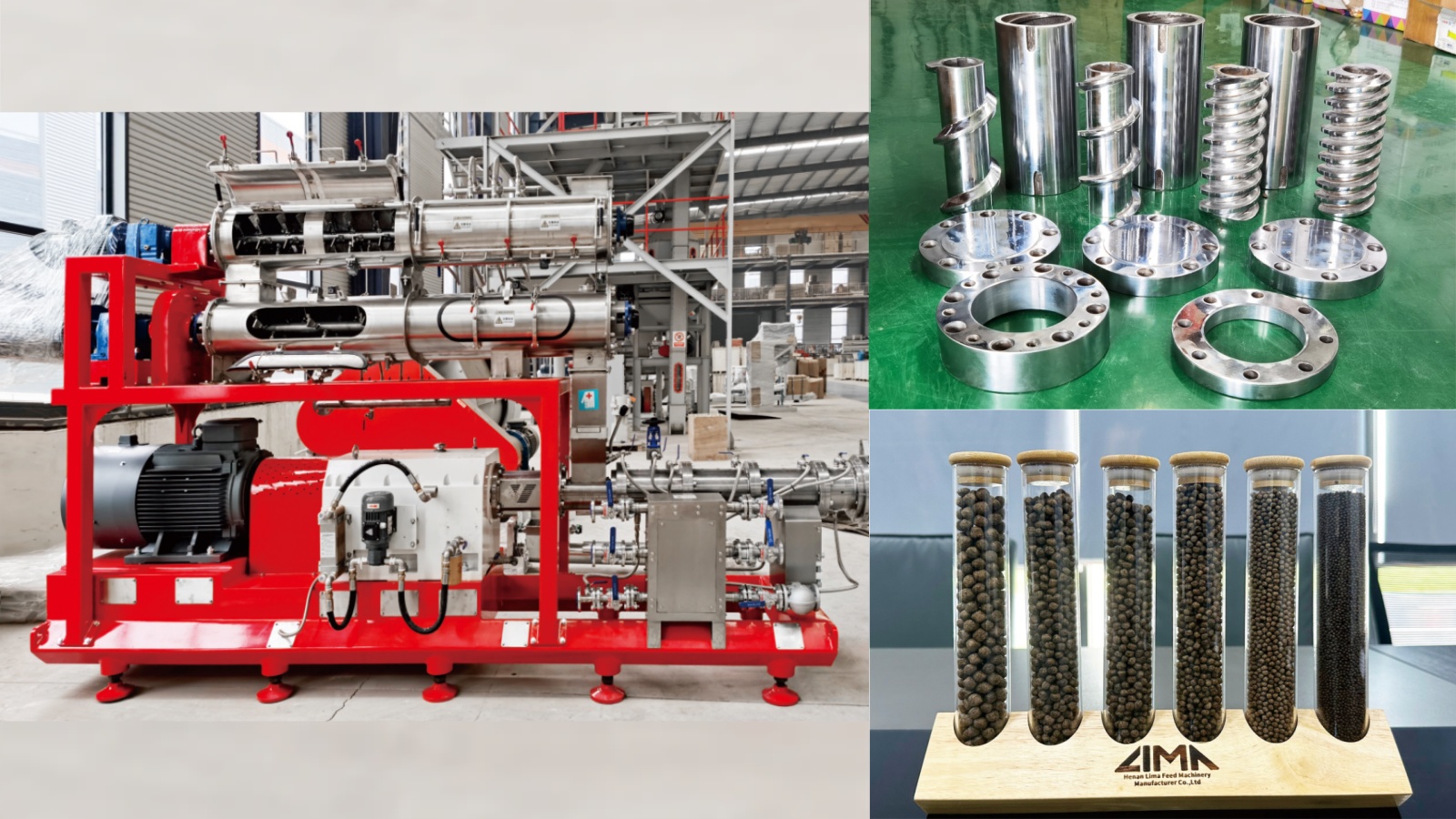
Twin-screw floating fish feed machine
Suitable for medium and large-scale feed mills, large-scale aquaculture bases, and high-end aquatic feed production with higher capacity and more stable quality.
Features: stronger shear force of twin-screw meshing, more uniform mixing, good self-cleaning effect, more accurate temperature control, fuller maturation, can easily cope with high fishmeal and high fat formula, and can stably produce floating, sinking and slow-sinking multiple feeds.
Advantages: low chalking rate of finished products, strong stability in water, even and smooth appearance of particles, suitable for high-end fry feed and special aquatic feed.
Dry expansion and wet expansion
– Dry puffing: rely on friction self-heating, no steam, simple structure, small investment, small models are mostly used in this type of design.
– Wet expansion: equipped with steam tempering system, more fully cooked, suitable for large-scale, high-quality feed production, is the mainstream configuration of medium and large production lines.
The key factors of selecting floating fish feed machine
You can’t just look at the price and appearance of the floating fish feeder, you need to combine with your own production conditions and make a comprehensive judgement from the seven core dimensions, in order to choose a suitable, durable and cost-effective model.
Match the actual capacity demand
Capacity is the first basis for selection, according to the daily output, production shifts, labour conditions, site size selection of the corresponding model, to avoid overloading equipment damage caused by small horse-drawn carts, or large idle machine resulting in a waste of resources.
Small self-use scenarios, it is recommended to choose small and medium production single screw models. This kind of scene is mostly for individual farms, family workshops, the daily production demand is mainly for personal use, the output does not need to be too high, and the priority is to pursue the ease of operation and low-cost investment.
Single-screw models have a simple structure, no need for complex steam system, small footprint, suitable for small site placement, easy to understand the operation process, novice can also quickly get started. At the same time, the procurement cost is friendly, the maintenance is simple, and the replacement of wearing parts is convenient and low cost, which can perfectly match the core demand of small-scale self-use, avoiding equipment idling and cost waste.
Medium-sized processing plant, you can choose medium production twin-screw models. Medium-sized processing plants usually have stable feed orders, moderate output demand and certain requirements on feed quality, the capacity and raw material suitability of single-screw models can no longer meet the production demand. Medium output twin-screw model has moderate capacity, which can ensure daily production efficiency without wasting capacity, and its mixing and maturing effect is better, which can produce more stable feed quality and adapt to a variety of conventional raw material formulas, while taking into account the ease of operation and maintenance costs, which is a cost-effective choice for medium-sized processing plants.
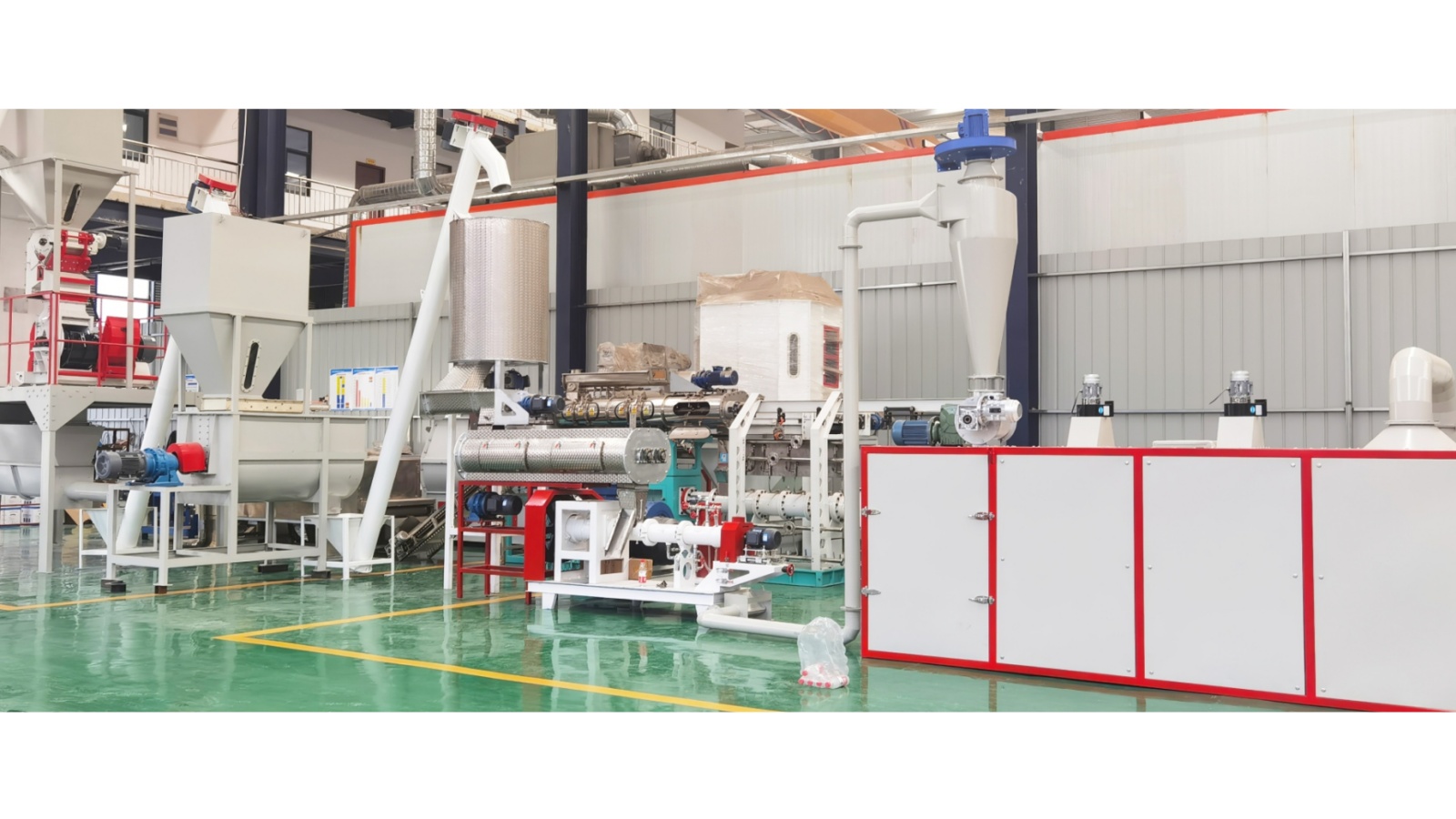
For large-scale feed mills, it is recommended to directly configure a high-matching twin-screw line. Large-scale feed mills have large capacity demand, mostly large-scale, continuous production, and need to take into account the production of multiple varieties, high-quality feed, the stability of the equipment, capacity and adaptability requirements are extremely high. The high-compatibility twin-screw complete line has sufficient capacity to meet the demand for continuous production, accurate temperature control, wide adaptability of raw materials, and can easily cope with complex formulas such as high fishmeal and high oil, etc. At the same time, it is equipped with a perfect control system and a high degree of automation, which can greatly improve the production efficiency and reduce the cost of labour, which is in line with the needs of large-scale production of large-scale feed mills.
Feed varieties and pellet specifications
Different breeding species and different growth stages have different requirements for feed particle size, floating time and density. Fry feed has small particle size and high precision; adult fish feed has large particle size; special aquatic products require higher stability in water. Priority is given to models that support rapid replacement of multi-specification moulds and flexible adjustment of parameters to meet diversified production requirements.
Adaptability of raw material formula
The composition of raw materials directly affects the puffing effect and the stability of equipment operation. If corn, bran and other conventional raw materials are the main, single-screw model basically meets the production; if the proportion of fishmeal, oil, animal protein in the formula is higher, it is recommended to choose a twin-screw model, to avoid problems such as paste machine, uneven discharge, poor particle shaping and so on.
Equipment durability and easy maintenance
Screw, barrel is the core wearing parts, material and technology directly determine the service life, high-quality models are mostly made of high-strength wear-resistant alloy, special heat treatment to enhance wear resistance. At the same time, the structure of the equipment should be easy to clean, overhaul, replacement parts, reduce the difficulty of routine maintenance and downtime.
Temperature control and control system
Temperature control accuracy directly determines the expansion effect, particle floating rate and maturity. Stable temperature control system and frequency conversion control system can achieve precise adjustment of temperature, speed and pressure to ensure the stability of material. The operation interface is simple and easy to understand, even novice can get started quickly, reducing the cost of manual debugging.
Energy consumption and running cost
In long-term production, energy consumption is an important expense. Under the same production capacity, the energy-saving model with reasonable motor matching, optimised screw structure and high thermal energy utilisation is preferred. At the same time, combined with the failure rate, wearing parts life comprehensive calculation, low energy consumption, low loss of equipment for long-term use is more cost-effective.
Manufacturer strength and after-sales service
Floating fish feed machine belongs to professional production equipment, perfect after-sales service is the guarantee of long-term stable operation. Choose the manufacturer with R&D and production experience, actual cases, installation and debugging, operation training, spare parts supply, fault repair, to avoid the problem of no one to serve and no spare parts can be replaced after the purchase of the machine.
Comparison of single-screw and twin-screw fish feed expander
Single-screw fish feed expanders have a clear positioning in the core performance and applicable scenarios, its overall low capacity, more suitable for small batch production needs, unable to meet the high efficiency requirements of medium and large-scale production. In terms of raw material adaptability, single-screw models are more suitable for corn, bran and other conventional cereal raw materials, less suitable for complex formulas with high fishmeal, high fat and high protein, and are prone to the problems of paste and uneven discharging. In terms of maturing degree, the maturing effect of single-screw machine is relatively general, which can’t realise the full pasting of raw materials and protein denaturation, and the stability of the feed particles in water is generally stable, and the chalking rate is relatively high. In terms of operation difficulty, single-screw model has simple structure, concise operation process, no need for complex professional skills, novice can get started quickly, and the equipment purchase price is friendly, low maintenance cost, core wearing parts replacement is convenient, the overall investment threshold is low, mainly suitable for small farms, family workshops and other self-use scenarios, suitable for the production of ordinary conventional fish feed.

Twin-screw fish feed expander is better than single-screw model in all core performance, and its production capacity is greatly improved, which can meet the continuous production demand of medium and large-scale feed mills and large-scale aquaculture bases, and realise high-efficiency mass production. With strong adaptability of raw materials, it can stably cope with both conventional cereal raw materials and special aquatic feed formulations with high fishmeal and high oil, and the self-cleaning function can effectively avoid the risk of material residue and paste machine. In terms of maturation, the twin-screw meshing shear force is stronger and the temperature control is more accurate, which can make the raw materials fully mature and improve the nutritional conversion rate of feeds, and produce particles with smooth appearance, low chalking rate, and strong stability in water, which is suitable for the production of high-end seedling feeds and special aquatic feeds. In addition, the twin-screw model is smarter in operation, with a high degree of automation, and can flexibly produce floating, sinking and other feeds. Although the procurement and maintenance costs are slightly higher, the long-term operation is more cost-effective, which is suitable for medium and large-scale factories and high-end production needs.
Factors affecting the price of floating fish feed machine
The type of machine is the core basic factor affecting the price of floating fish feed machine, different screw structure and expansion process of the model, the price difference is significant. Single-screw model structure is simple, easy process, without complex steam system, materials and manufacturing costs are low, the price is much lower than the twin-screw model; wet expansion model equipped with steam tempering system, the structure is more complex, the cost is higher than the dry expansion model, the difference is directly reflected in the pricing of the equipment, to adapt to the choice of users with different budgets.
Capacity size directly determines the price of equipment, capacity and price are positively correlated. The higher the capacity of the model, the required motor power, screw specifications, the larger the size of the body, materials and manufacturing costs increased significantly, the price is naturally higher. Small low-capacity models to meet the needs of small batch production, cost-controllable, affordable; large and medium-sized high-capacity models to adapt to large-scale production, high cost of input, pricing is also increased, need to be combined with the actual production capacity needs to choose rationally.
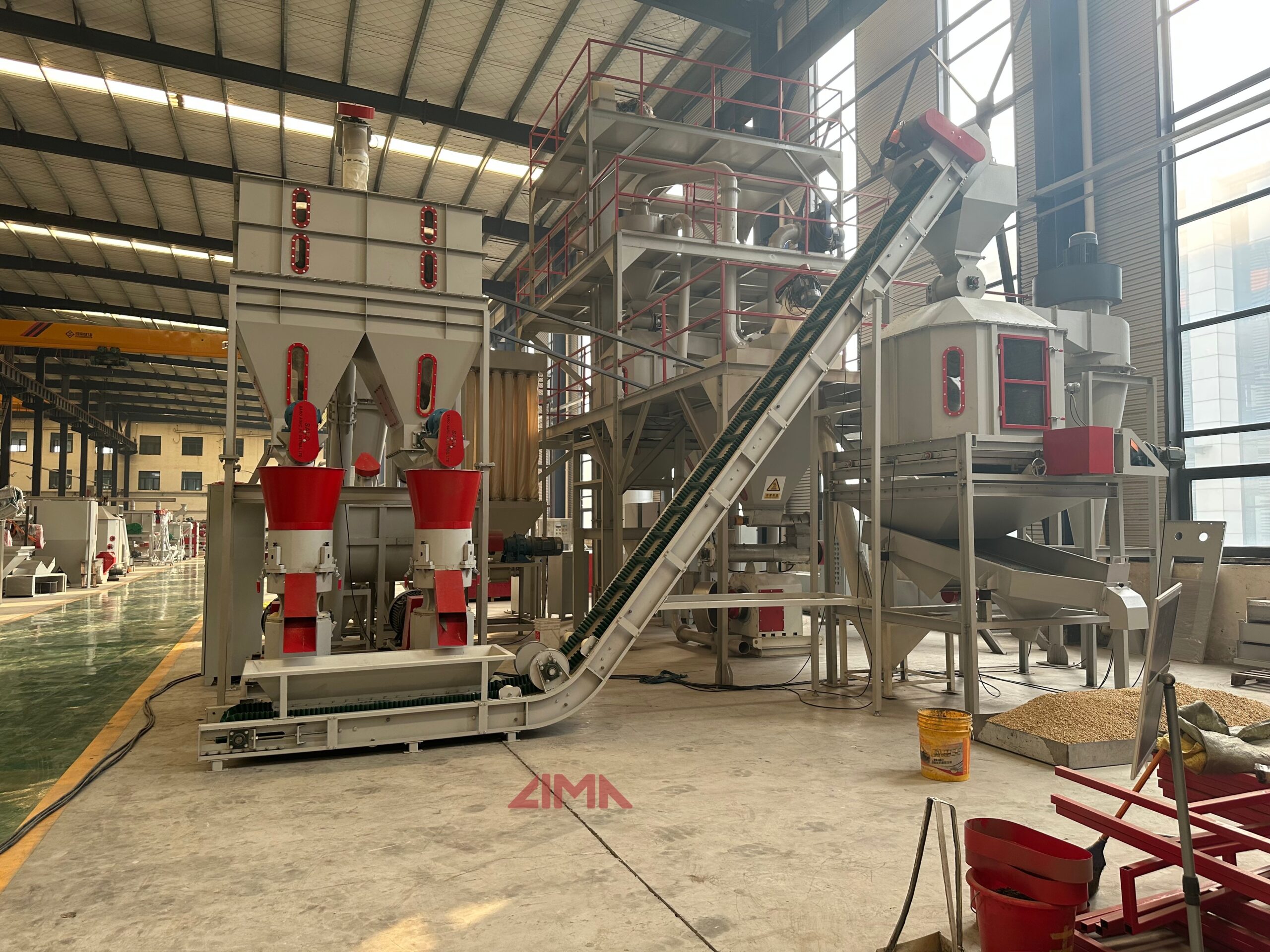
Equipment configuration is directly linked to the price, high-end configuration will significantly increase equipment pricing. Frequency control, automatic lubrication, stainless steel and other high-end configurations, can enhance the stability and durability of the equipment, reduce long-term operating costs, its manufacturing costs are higher, the price will rise accordingly. In addition, the price difference between a single machine and the whole line is obvious, the whole line contains a full set of equipment such as crushing, mixing, etc., the cost is much higher than a single puffer, need to be combined with the production needs to choose.
Selection summary
The core of selecting a floating fish feed machine is to first clarify the three major needs: capacity scale, raw material formula, feed varieties and target particle size, and then accurately match the model.
– Small-scale self-use, limited budget: choose single-screw dry floating fish feed machine, less investment, easy to operate, quick return on investment.
– Medium and large-scale production, the pursuit of high quality: choose the twin-screw wet puffing production line, stable and efficient, long-term operating costs are lower.
Priority before the purchase of the manufacturer to investigate the actual case, test results, after-sales capacity, not blindly pursue low prices, but more importantly, the failure rate, durability and comprehensive use of the cost, so that the equipment is really for the production of efficiency, for breeding income.
Back to List