What is the manufacturing process of poultry feed?
2026-04-14
In the whole poultry industry chain, feed accounts for 60%-70% of the farming cost, which is the core factor affecting the growth and development of poultry, immunity, egg production rate and pen weight. The quality of feed depends on whether there is a scientific, standardized and stable poultry feed production process.
Many farmers, farm managers, feed mill entrepreneurs often ask: how in the end is the production of poultry feed? Why is the same corn and soybean meal made out of feed, some of the digestibility of high, fast-growing poultry, some are easy to dilute, waste serious, and even cause disease? The answer is hidden in the standardized production process.
This article will be from the basic knowledge to the core process, from raw material processing to the finished product factory, for you to comprehensively, systematically, in-depth explanation of what is the poultry feed production process, so that you can once understand every link of feed production, every standard, every key control point, really understand the process, choose good material, use good equipment, improve the breeding yield.
Feed type
Before entering the production process, we must first understand the three mainstream feed forms on the market, because different feed types, corresponding to the production process, equipment configuration, applicable scenes are completely different.
Powder
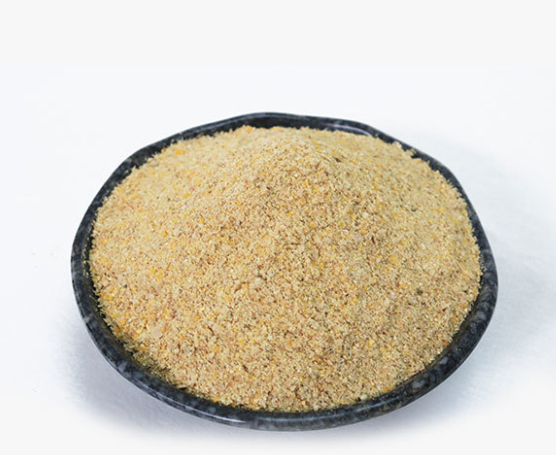
Powder is the most primitive and simple form of feed, which belongs to the loose and fine powder feed without granulation. It is close to the touch of horticultural nutrient soil, with fine, light and non-caking texture, and it is the basic feed with the highest fineness at present. The biggest advantage of the powder is that it is extremely easy to digest, which is especially suitable for chicks and young birds, because young birds have fragile intestines, and the fine powder will not cause digestive burden. Meanwhile, powder is also suitable for adult poultry, which is very common in small-scale free-range mode. Disadvantages: easy to fly apart, higher waste, not easy to store and transport.
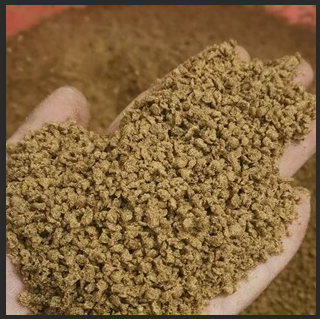
Broken feed
Crushed material can be understood as a “semi-finished product of pellets”, also known as crushed pellets. It is made of granular materials again broken, forming uneven size, coarse and loose particles, very close to the feel of oatmeal, particle size between the powder and granular materials. Crushed material is easier to manage than meal, does not fly around, and is softer and easier to open than pellets. For this reason, crumbles are often used as a transition feed for chicks switching from meal to pellets, increasing feed intake and allowing chicks to make a smooth changeover.
Pellets
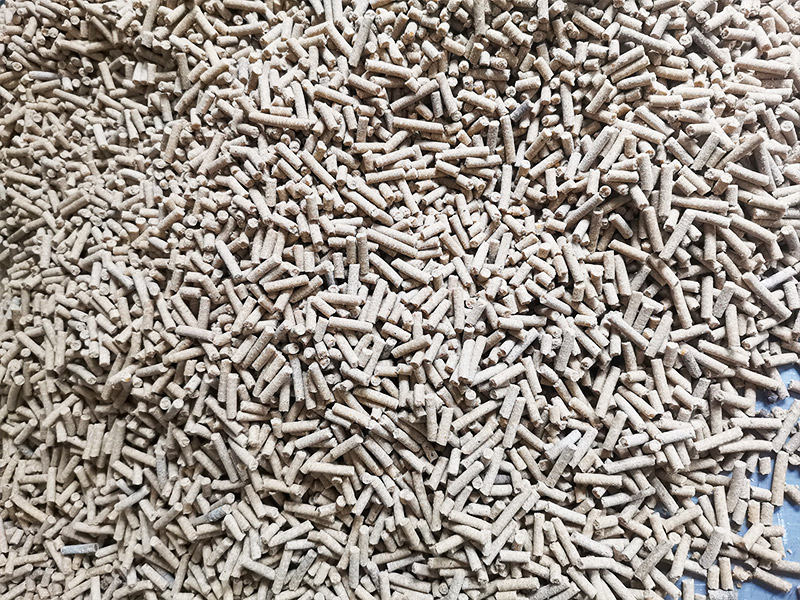
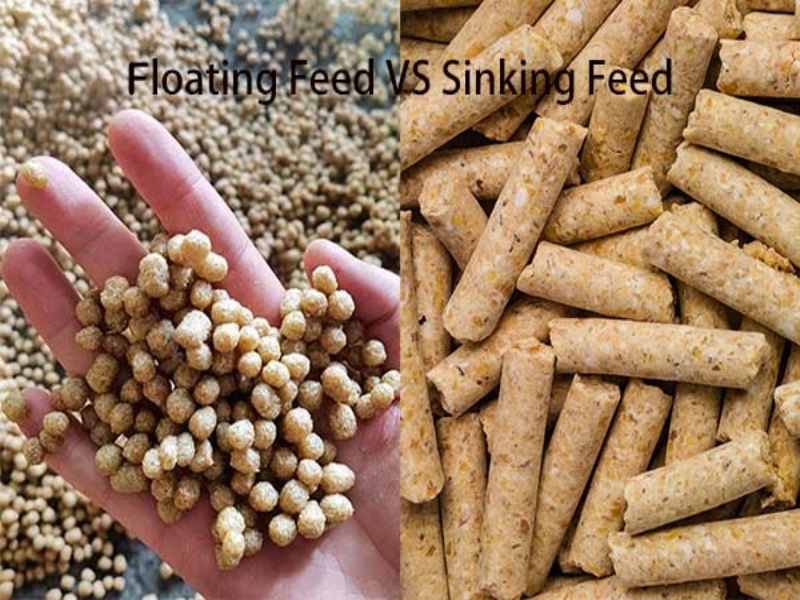
Pellets are the most mainstream and widely used form of poultry feed worldwide. It is a mixture of raw materials through high temperature, high pressure, extrusion, the formation of cylindrical solid particles. The structure is tight, stable and moderately hard. The biggest advantage of pellets: not easy to spill, even if the trough is touched down, there will be no large amount of waste; nutritional concentration, poultry eat a mouthful of all the nutrients contained; clean and hygienic, not easy to absorb moisture, not easy to mold; easy to store, transport, automated feeding. Therefore, whether it is a family chicken, medium-sized farm, or a large modernized breeding base, pellet feed is the first choice.
Raw material procurement and pretreatment
The starting point of poultry feed production process is not processing, but raw material selection and raw material cleaning. This step is recognized by the industry as “the root of feed quality”.
Quality Raw Material Procurement
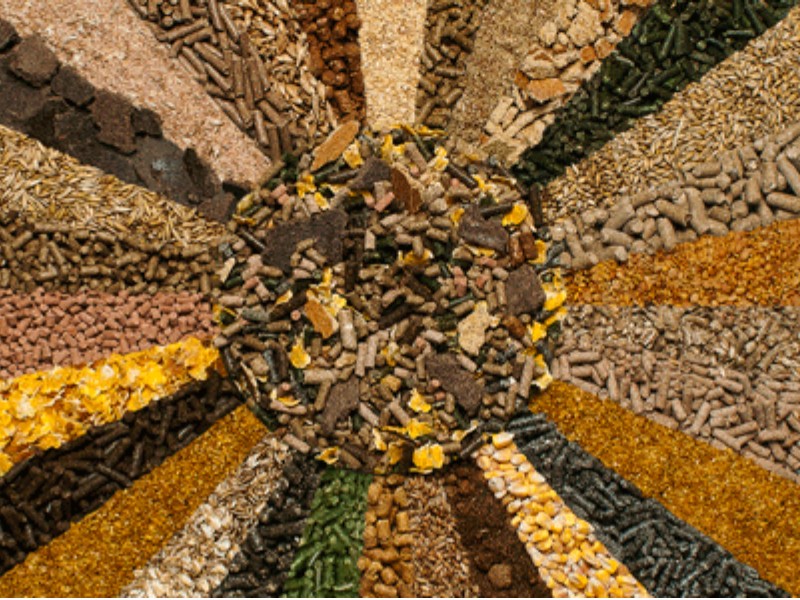
The essence of feed is nutritional supply, poor raw materials and strong process can not make good feed. The first step in standard feed production is strict screening of raw materials:
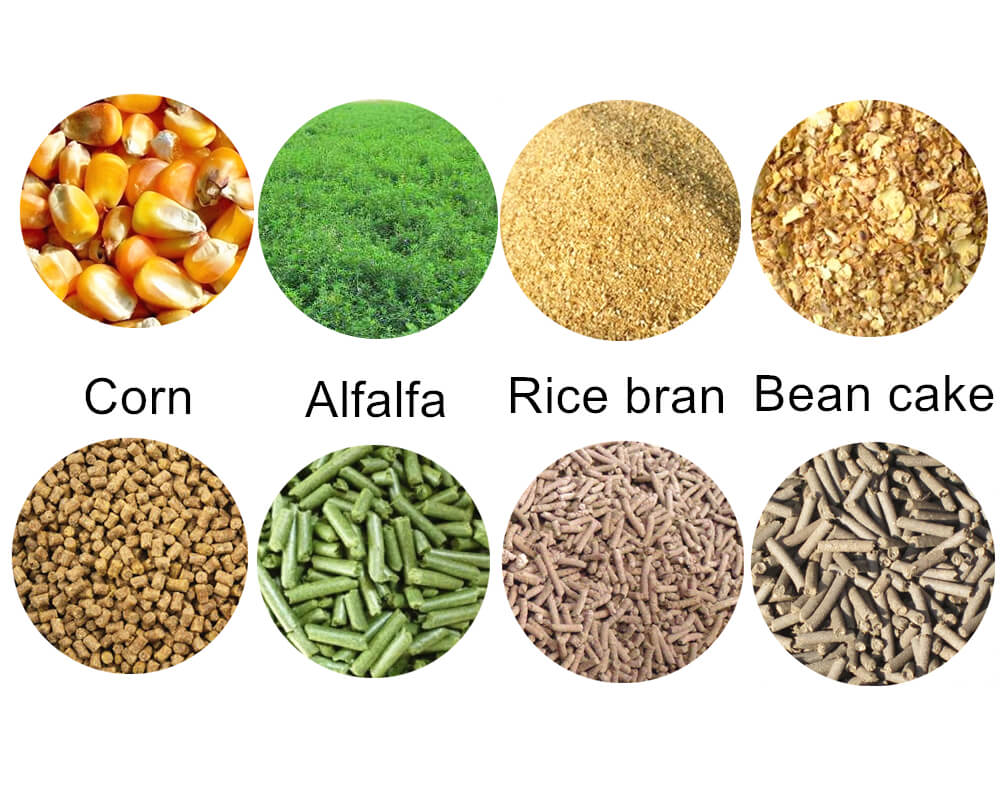
Main energy raw materials: high-quality corn (clean, no mold, moisture standards)
Main protein raw materials: soybean meal, peanut meal and other plant proteins
Nutritional additives: vitamins, minerals, amino acids, trace elements, etc.
Scientific research has clearly demonstrated that using high quality, clean, fresh ingredients can increase feed conversion efficiency by up to 15%. This means: poultry eat less, grow faster, produce less manure, and are more productive. Once the raw materials are moldy, spoiled and with too many impurities, not only will the nutrients be lost, but also mycotoxins will be produced, which will directly lead to poultry diarrhea, egg drop, and decreased immunity.
Raw material cleaning
All purchased raw materials, absolutely not directly processed, must be strictly cleaned. Because the raw materials are usually mixed with a large number of impurities: stones, glass, metal, soil, straw, dust, rice husk, mold particles, and so on. If not cleaned, it will cause three major problems: damage to expensive equipment such as crushers, granulators, mixers; impurities into the feed, resulting in gastrointestinal damage and illness in poultry; finished feed hygiene is not up to standard, and can not be stored for a long time.
Raw material cleaning mainly includes four core processes:
Screening and cleaning: using vibrating screen, rotary sieve, plane sieve, the dust, fine sand, oversized particles, straw, soil and so on thoroughly separated.
Magnetic Separation and Removal of Impurities: Adsorb and remove iron impurities such as nails, wire, metal fragments and other iron impurities through permanent magnetic cylinders, magnetic rollers and other equipment. Iron impurities are the “first killer” of the processing equipment and must be 100% removed.
Wind selection and dust removal: Using wind adsorption, light impurities such as rice husk, dust, fluff, broken shells, etc. are blown away.
De-stoning process: Specialized de-stoning machine, according to the difference in density, separates stones, glass and mud pieces which are heavier than grain.
After the above four cleaning processes, the raw material can really enter the next section of the production process.
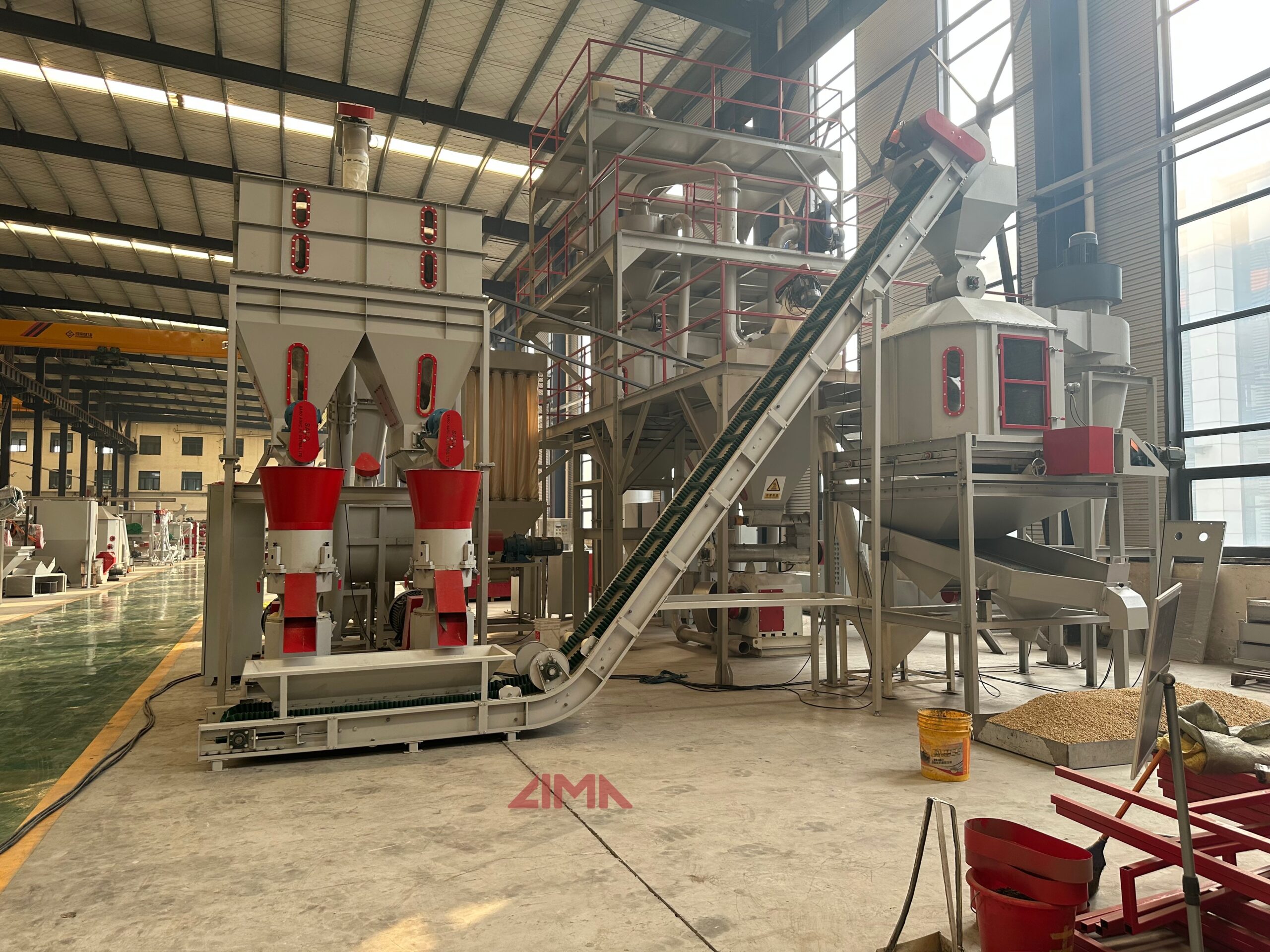
The complete process of feed production
The cleaned up raw materials enter the crushing + mixing section, which is one of the most critical parts of the feed production process, directly determining whether the poultry can “eat well and absorb well”.
Precise crushing
Raw materials must be crushed to a standard fineness, in order to ensure that the subsequent granulation smoothly, while improving digestion and absorption. Industry standard: un-pelletized feed, crushed particle size is recommended to be maintained between 0.5mm – 1mm. Particle size is too coarse: poultry is difficult to digest, low nutrient utilization; particle size is too fine: easy to paste the mouth, dust, high waste.
Authoritative data show that: optimization of the grinding process, can make the feed digestibility increased by up to 20%, nutrient waste is greatly reduced. This is why the same formula, different equipment to do out of the feed effect is completely different.
Adequate mixing
After the crushing process, all kinds of raw materials must be sent to the professional mixer for full and uniform mixing, which is the key to ensure the nutritional balance of the feed. The core purpose of mixing is to make the formula of corn, soybean meal, vitamins, minerals and other raw materials evenly distributed in the feed, to avoid raw material stratification, nutritional bias set and local nutritional imbalance and other problems. Only to achieve a sufficiently uniform mix to ensure that each poultry feed to the feed nutrition is completely consistent, there will not be part of the individual intake of excessive vitamins and other nutrients, while the other part of the individual is not completely intake of the situation, which will ensure that the growth of the poultry group neatly, uniformly, and the egg-laying performance can be maintained stable. On the contrary, uneven mixing is the most likely to occur in the process of feed production, but also one of the problems that greatly affect the quality of feed, which will directly lead to nutritional imbalance, uneven growth, reduced farming efficiency and a series of negative consequences.
Granulation molding
For the mainstream pellet feed in the current market, the pelleting process is the key step in the whole poultry feed production process with the most core value. After precise proportioning and fully mixed powder, it will be sent into professional feed pelletizing machine, and under high temperature, high pressure and strong extrusion of molds, it will be processed and shaped into cylindrical pellet feed of uniform size. Pelleting process has three core advantages, the first is able to greatly improve feed digestibility, after high temperature tempering treatment in the pelleting process, can effectively destroy the anti-nutritional factors in the raw material, while promoting full pasteurization of starch, protein moderation denaturation, so that nutrients are more easily absorbed by the poultry, compared with ordinary powder without pelleting, the digestibility of the pellets can be increased by up to 25%. Secondly, the particle size is scientifically adapted to the feeding needs of poultry, broilers, laying hens and other poultry, the ideal particle diameter is usually between 3mm and 6mm, according to the different age, different breeds of particles can be selected to adapt to the specifications of the feed, so that the poultry feed more smoothly, and thus accelerate the growth rate and improve production performance. Finally, it is effective in reducing waste and improving feed utilization. Traditional meal is prone to fly scattering, picking by poultry and moisture deterioration during feeding, while pellets have a firm and stable structure, which makes it impossible for poultry to pick and eat easily, and there will not be a large number of spills, which can reduce the feed waste rate by more than 30%, and significantly improve the breeding efficiency.
Cooling and drying
The temperature of the feed particles just produced from the granulator is high and the moisture content is big, which can never be directly packaged in this state, or it will be easy to have mold, caking and spoilage problems, which will seriously affect the quality of the feed and the safety of use. Therefore, the cooling and drying process is the last quality barrier before the feed leaves the factory, and its core role is mainly reflected in three aspects, one is to effectively lower the temperature, can quickly cool down the particles in the high temperature state to close to the room temperature, to avoid the residual heat on the quality of the particles caused by the adverse effects; the second is to reasonably reduce the moisture through the standardized cooling and drying process, the particles of the moisture is accurately controlled in the 12% below, which is also recognized as an effective way to prevent the mold and mildew of the feed. This is also an internationally recognized standard for effectively preventing mold and mildew of feed. Thirdly, it is to maintain the integrity of the pellets, the structure of the cooled pellets will be more stable, with moderate hardness, so that they will not be easy to be broken and pulverized in the subsequent handling and storage process. The use of scientific and reasonable cooling and drying process, can make the feed does not mold, not deteriorate, particles intact and beautiful, but also to extend the shelf life of up to 30%, whether it is long-distance transportation or long-term storage are more safe and reliable. To be cooling and drying process is completed, and then sieved to remove impurities and unqualified debris, and finally standardized packaging, can become a high-quality poultry feed can be marketed and sold.
How to choose reliable manufacturers of feed processing equipment?
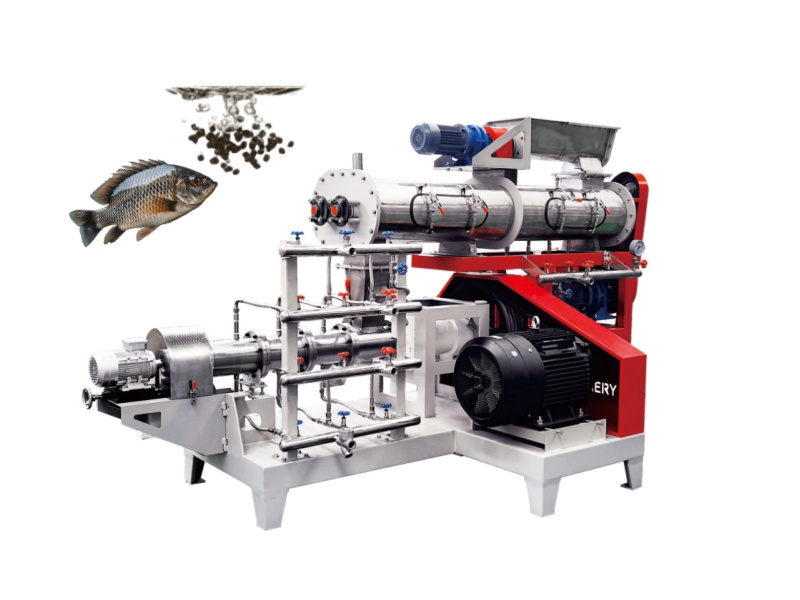
For feed mills and self-feeding farms, high-quality equipment is equivalent to a mature process, stable process directly determines the quality of feed, and the quality of feed is ultimately related to the actual breeding revenue, it can be said that the equipment, process, quality and revenue are interlinked, inseparable. A set of stable and reliable feed production equipment, production efficiency, feed quality and long-term cost optimization, in the industry competition to occupy a clear advantage. Choose a regular and professional manufacturers of feed equipment, with four irreplaceable core values, the first is the production of stable operation, will not easily appear downtime problems, and will not delay the normal progress of breeding, reliable factory equipment produced by the use of mature and advanced technology, standardized production process and good quality parts, equipment failure rate is very low, can effectively avoid sudden shutdowns, frequent maintenance delays The equipment failure rate is very low, which can effectively avoid sudden shutdowns, frequent maintenance delays in production progress, resulting in the supply of breeding feed and other situations. Secondly, the feed quality is more secure and stable, regular and professional equipment can ensure that the raw materials are crushed uniformly, the material is fully mixed, granulation molding standards, while the production process of less impurities, less pollution, so that the production of balanced nutritional feed, so that poultry less sick, faster growth rate. Furthermore, the long-term use of more money, the overall cost-effective far more than ordinary low-priced equipment, high-quality equipment is not only lower energy consumption, and durable materials, longer service life, although the initial investment will be slightly higher, but the full cycle of the comprehensive use of the cost of far less than the cheap low-quality equipment, coupled with perfect after-sales service, stable supply of spare parts, as well as professional technical support, the long-term use of more worry and save energy and save costs. Finally, it is in line with the production standards, effectively enhance brand competitiveness, regular equipment to meet the safety of production, environmental emissions and health standards and other requirements for feed mills, stable and uniform feed quality is easier to set up a good brand image, to better meet market demand and relevant regulatory requirements. In short, only choose the right professional and reliable feed equipment, the production process can be standardized not to go out of the way, feed quality can continue to maintain a high standard of breeding benefits can be steadily improved, and truly realize the ultimate goal of high yield and efficiency, breeding money.
Summarize
What is the poultry feed production process? Simply put, it is a complete set of standardized production process from raw materials to finished feed, and a complete set of standardized and scientifically sound poultry feed production process, mainly consists of the following five core steps, first of all, raw material purchasing and cleaning link, will be screened through magnetic selection wind election to stone and other ways to remove impurities in the raw materials such as stones and other debris, to ensure that access to the next The second is the crushing and mixing link, the raw materials will be crushed to the appropriate size of 0.5 to 1 mm, and then through professional equipment to make a variety of nutrients fully and evenly mixed to ensure that each batch of feed nutritional consistency, followed by pelleting and molding link, through the pelleting equipment into a uniform size of 3 to 6 mm pellets, compared with the powder material can effectively improve the digestibility of poultry by 25% or so. Then it is the crucial cooling and drying link, the high-temperature and high humidity pellets will be quickly cooled and the moisture will be controlled below 12% to prevent the feed from moldy caking and effectively prolong the shelf-life, and finally, after the fine screening to remove the crushed materials and unqualified particles, and then standardized packaging can be qualified to leave the factory. In short, the real high-quality poultry feed, inseparable from high-quality raw materials based on strict standards of technology and stable and reliable production equipment, as long as proficiency in mastering this set of scientific poultry feed production process, whether it is the farm’s own processing of feed to control the cost, or the daily purchase of judgment of the quality of the finished feed, can become a professional and clear to avoid the pitfalls of all kinds of poor-quality feed, the real realization of the breeding process! Reduce costs and increase efficiency to improve production, to achieve the goal of long-term stable profitability.
Back to List