Floating or sinking fish feed pellet: Which one is better ?
2026-04-15
Introductry
For aquaculture farmers, the choice of fish feed directly determines the growth rate of fish, aquaculture costs, as well as aquaculture water environment advantages and disadvantages, and floating fish feed and sinking fish feed selection, it is the core of the problem plagued by a large number of farmers – choose the right one, can reduce feed waste, reduce water pollution, but also enhance the benefits of aquaculture; Choose the wrong one, not only will increase the aquaculture cost, but also may lead to slow growth of fish, disease frequently. In this article, we will combine the actual aquaculture scenarios to comprehensively analyze the difference between floating and sinking fish feeds, their advantages and disadvantages, and the applicable scenarios, to help you accurately select the most suitable fish feeds, taking into account the breeding efficiency and cost control.
What is floating fish feed?
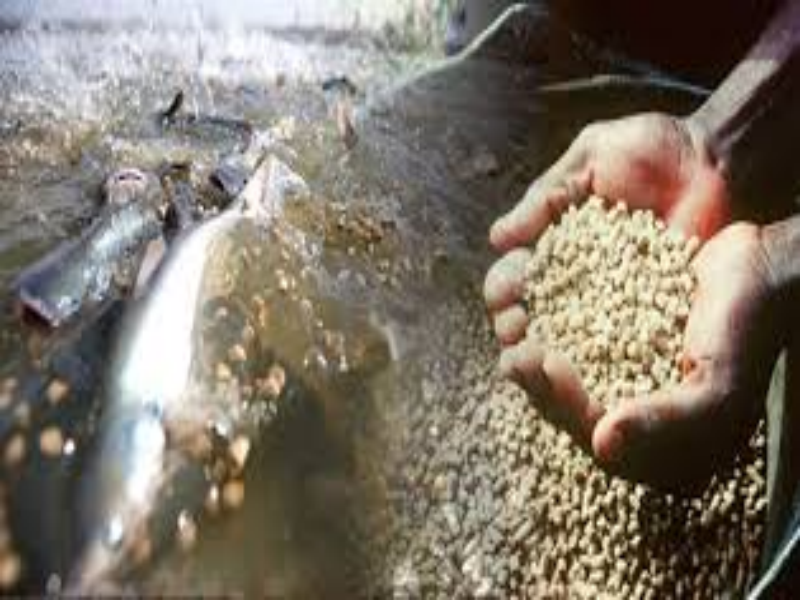
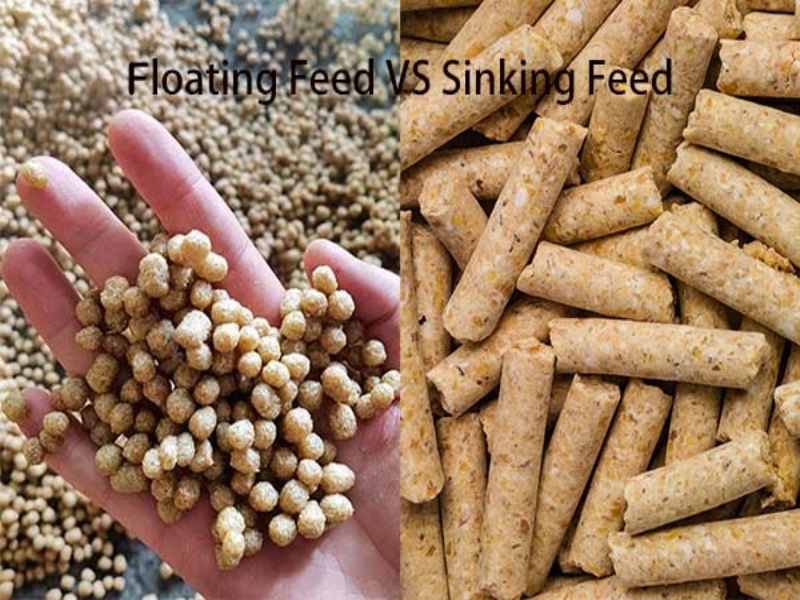
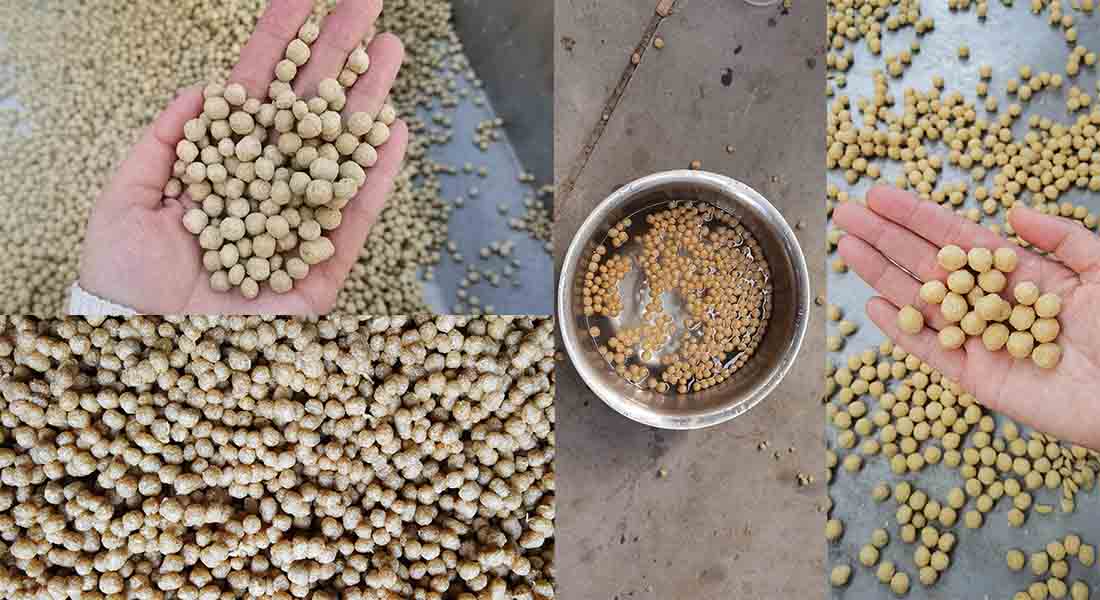
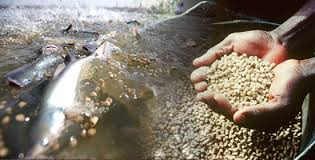
Floating fish feed is a pellet feed made by high-temperature expansion process, the core feature is that it can float on the water surface after being put into the water, and it can keep its integrity in the water for several hours without collapsing quickly, and it requires fish to float to the water surface actively to eat, and it is one of the most widely used feeds in the commercialized and intensive aquaculture at present.
Applicable Fish
It is mainly suitable for large-size juvenile fish, commercial fish and parental fish, such as common grass carp, carp, tilapia and other upper-middle feeding fish, which are used to floating up to the surface to feed, and floating feeds can better fit their feeding habits. At the same time, floating feed is also suitable for large-scale and high-density aquaculture scenarios, which is convenient for unified management and feeding.
Core features and advantages
Convenient for health monitoring: Farmers can visually judge the health status and vitality of fish by observing their floating feeding status, detect abnormal feeding, slow swimming and other problems in a timely manner, and detect the risk of diseases in advance to provide a basis for aquaculture management.
High feed utilization: Since the feed floats on the surface of the water, the uneaten feed can be salvaged and cleaned up in time, effectively avoiding the waste of feed, and at the same time reducing the residual bait from sinking to the bottom of the pond to rot, reducing the risk of pollution in the pond, and maintaining the stability of the water quality, which is one of the core advantages of the floating feeds compared with the sinking feeds.
Easier absorption of nutrients: The puffing process of floating feeds can improve the degree of starch pasting, so that the nutrients can be more easily digested and absorbed by fish, and its fat content is usually higher than that of sinking feeds (too much fat will lead to the collapse of the feed, so floating feeds are controlled in a reasonable range of fat content), which can provide a higher calorie content to satisfy the growth needs of fish with high energy demand.
Other advantages: lower level of pollution, better stability in water, retaining nutrients for a long time, better feed conversion ratio (FCR), which can effectively reduce the feed cost per unit of fish growth; and lower water content, longer shelf life, easy to store and transport, which is suitable for the large-scale demand of commercial aquaculture.
Potential Disadvantages
The production process is complicated, requiring steam and high-pressure expansion treatment and high energy consumption, so the production cost is higher than that of sinking feeds; at the same time, it is not suitable for benthic feeding fish (e.g., catfish, shrimp, eel), which are accustomed to foraging at the bottom of the pool and have difficulty adapting to upward-floating feeding, which will lead to feed waste and slow growth. In addition, fish unfamiliar with floating feeds may need a 3-5 day acclimatization period before they can feed normally.
What are sinking fish feed?
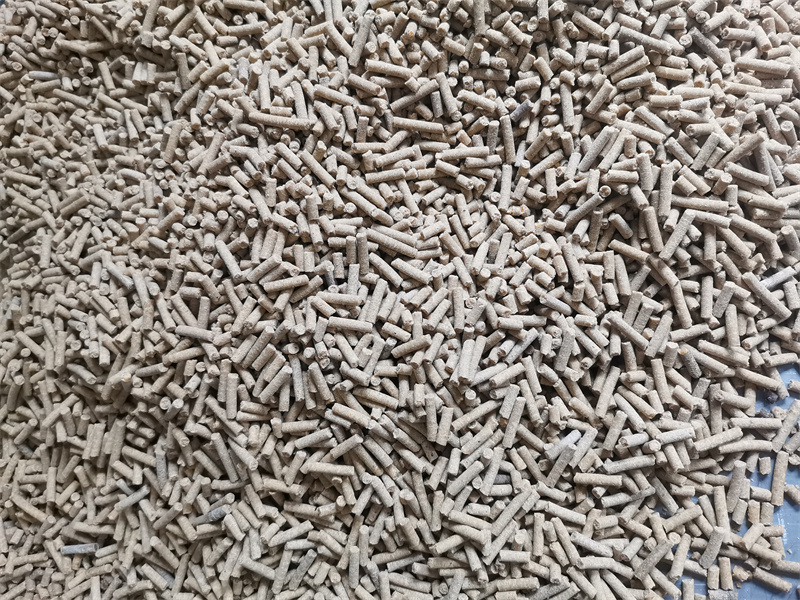
Sinking fish feeds are mostly made by ordinary pellet pressing process, which do not contain too much expanded ingredients and have a higher density, and will sink to the bottom of the pond quickly after being put into the water, which is suitable for fish that are used to benthic feeding, and is more widely used in traditional free-range aquaculture and ornamental fish culture.
Applicable Fish
The core is suitable for benthic feeding fish and some ornamental fish, such as catfish, eel, shrimp and other benthic aquatic products, as well as goldfish, koi and other ornamental fish. Among them, goldfish and koi are greedy and will rush to grab food when eating. If they consume floating feeds, they will easily inhale air into their stomachs, resulting in air bubbles in their feces, which may lead to rummy disease in the long run, therefore, sinking feeds are the best choices for this kind of ornamental fish.
Core Features and Advantages
Fits the habit of benthic fish: It is perfectly adapted to the feeding habit of benthic fish, without the need for fish to change their feeding mode, and can quickly attract fish to eat, avoiding the waste of feed due to the mismatch of feeding habit.
Lower production cost: no complex expansion process, no need to consume a lot of steam and high-pressure equipment, simple production process, low energy consumption, compared with floating feeds, it can effectively reduce the purchase cost of feeds, which is suitable for traditional farmers with limited budget.
Higher nutrient density: Sinking feeds do not need to consider the floating stability, and can add a higher concentration of nutrients in the pellets, and the structure is more compact, which can provide more adequate nutrition for fish, especially suitable for benthic fish with a longer growth cycle.
Potential disadvantages
Poor feed visibility, fast sinking after being put into the water, it is impossible to visually observe the feeding situation of the fish, it is difficult to judge whether the feed is eaten or not, and it is impossible to detect abnormalities in the health of the fish in a timely manner; the feed is wasted seriously, the residual bait that has not been eaten will be sunk to the bottom of the pool, and it is not possible to salvage, which not only causes the loss of feed, but also decays and decomposes, consumes the oxygen of water body, and releases hazardous substances, which leads to deterioration of the water quality, and increases the risk of fish diseases; At the same time, the pressing process can not fully enhance the degree of starch pasting, the feed digestibility is lower, the feed conversion ratio (FCR) is not as good as floating feeds, and the long-term use of the feed will increase the cost of aquaculture.
Comparison between floating fish feed and sinking fish feed
| Comparisondimension | Floating fish feed | Sinking fish feed |
| Feed visibility | Water surface visible and clearly observable | Not visible after sinking, not directly observable |
| Feeding control | Easy to control, can adjust the feeding rate according to the residual bait situation | Difficult to control and unable to accurately judge how much to eat |
| Feed waste | Very little, debris can be salvaged in time | More residual bait sinks to the bottom and cannot be recovered |
| Water quality impacts | Can maintain stable water quality and reduce pollution | Easy to lead to water quality deterioration, bait decay and pollution of water bodies |
| Feed conversion ratio (FCR) | Better, high fish absorption efficiency, lower feed costs | Lower, high feed consumption, high farming costs |
| Applicable breeding modes | Commercial and intensive farming, high density farming | Traditional, extensive farming, low-density farming |
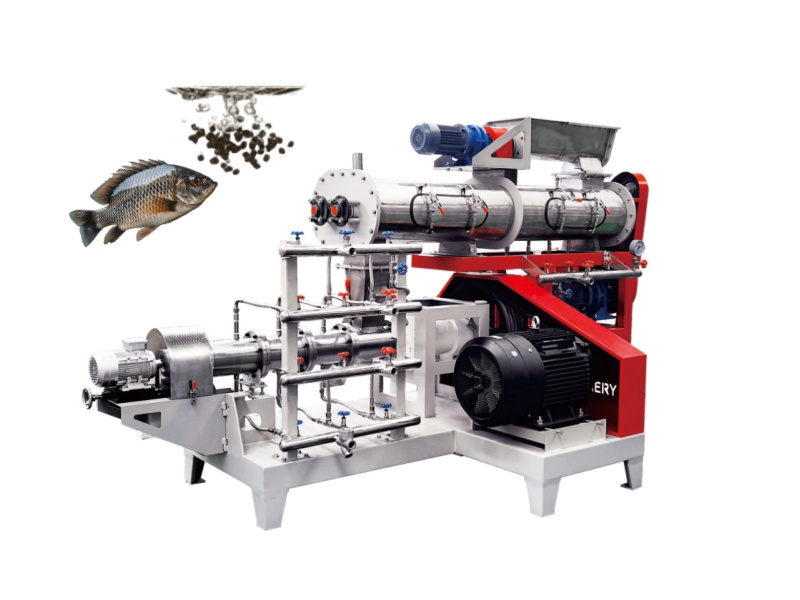
| Production process | High temperature expansion, complex process, high energy consumption | Ordinary pressing, simple process, low energy consumption |
| Shelf life | Longer, low water content, less prone to deterioration | Shorter, some types have high water content and are susceptible to mold and mildew |
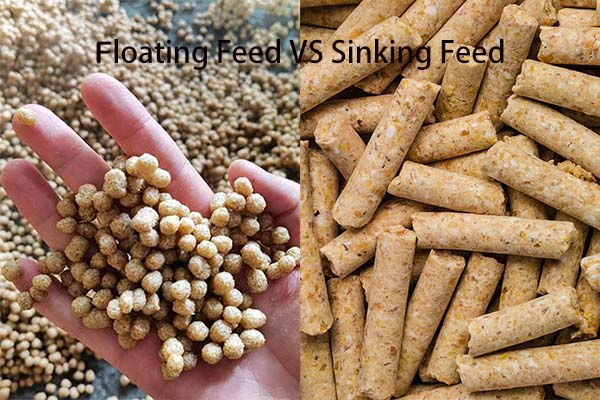
Supplementary note: Combined with aquaculture practical technology, floating fish feed is mostly expanded pellet feed, water content is less than hard pellet feed, density is about 0.6 g/cm3, can float on the surface of the water for 12-24 hours without dissolution, and the nutrient dissolution loss is small; sinking fish feed is mostly hard pellet feed, water content is less than 13%, density is more than 1.3 g/cu.m., which is suitable for many kinds of benthic and omnivorous fishes to eat, while soft The water content of soft pellet sinking feeds is higher, although palatability is good, but it is not easy to be stored and transported.
Common characteristics of floating and sinking fish feed
Whether you choose floating or sinking fish feeds, they all need to meet the core common requirements of aquafeeds, which is also the basis for ensuring the healthy growth of fish and enhancing the benefits of aquaculture, combined with the industry’s technical standards, there are mainly the following four points:
Smaller particle size: Due to the shorter digestive tract of aquatic animals, in order to accelerate digestion and absorption, the particle size of fish feed needs to be smaller than livestock and poultry feed, such as eel, shrimp feed particle size needs to reach 80-120 mesh, and fry opening material even needs to reach 500 microns or less, as an alternative to natural bait for artificial plankton.
High protein, low carbohydrate: the protein content of livestock and poultry feeds is usually less than 20%, while the protein content of fish feeds is mostly between 30%-40%, of which the protein content of eel feeds is as high as 65%-70%, which is suitable for the nutritional needs of fish with high protein, and at the same time reduce the proportion of carbohydrates to avoid the burden of digestion.
Firm particle structure: Fish feeds need to have high adhesion and water resistance to avoid rapid collapse after being put into the water, resulting in loss of nutrients and water pollution, which is also the common core requirement for floating and sinking feeds.
Avoiding cross-contamination: During the process of feed production, some raw materials need to be aseptically processed, and the production equipment needs to be easy to clean and have less residue, especially when producing high-end aquatic feeds such as shrimp, eel, etc., other types of feeds should not be produced at the same time, so as to prevent cross-pollution and ensure feed safety.
How to choose the right fish feed
Combined with references and years of aquaculture sales experience, there is no absolute advantage or disadvantage of floating and sinking fish feeds, the core is “fit” – fit for aquaculture fish, aquaculture mode and aquaculture budget, specifically from the following three dimensions to help you make a quick choice:
Prioritize fish species
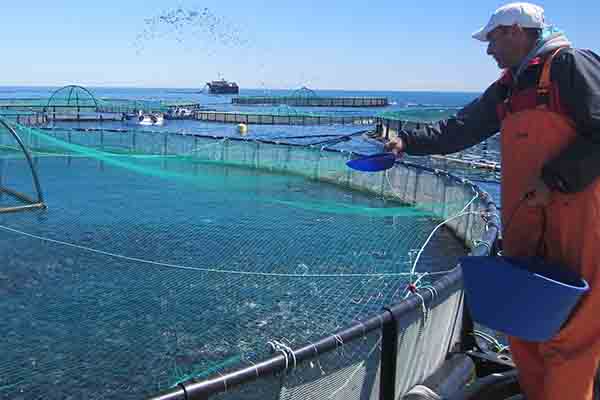
The feeding habits of fish is the key to selecting feeds: pelagic feeding fish (grass carp, carp, tilapia and other commercial fish, parent fish), give priority to the selection of floating fish feeds, fit its habit of floating for food, while facilitating the monitoring of health; benthic feeding fish (catfish, eels, shrimp), you must choose sinking fish feeds, to avoid the feed floats to avoid not being able to eat; ornamental fish (goldfish, koi carp), giving preference to the sinking For ornamental fish (goldfish, koi), sinking fish feeds are preferred to prevent stomach flopping caused by air inhalation during food grabbing.
Combination of culture mode and management needs
If it is commercialized and intensive high-density aquaculture, pursuing breeding efficiency and controllable cost, it is preferred to choose floating fish feed – it is easy to precisely control the feeding quantity, reduce the waste, maintain the stability of water quality, and the feed conversion rate is high, which can reduce the long-term aquaculture cost, and at the same time, it is suitable for the Internet of Things (IoT) feeding equipment to realize the intelligent management; if it is the traditional extensive aquaculture, with lower density and management requirements, it is preferred to choose sinking fish feed. If it is traditional rough farming, with low density, low management requirements and limited budget, it can choose sinking fish feed, which can reduce the feed purchase cost and do not need to invest too much management effort.
In addition, if fish health monitoring is important, floating feeds are a better choice for timely detection of diseases through feeding status, especially in high-density aquaculture, which can effectively reduce the risk of disease transmission; if the aquaculture environment is open water and it is difficult to frequently clean up bait residues, floating feeds can be prioritized to reduce the pressure of water quality pollution.
Balancing economic budget and environmental impact
In terms of economic budget: floating feeds have high production cost and slightly higher selling price, but the feed utilization and conversion rate are high, which can reduce the comprehensive aquaculture cost in the long run; sinking feeds are sold at a lower price and have less investment in the early stage, but there are more feed wastage and high cost of water quality maintenance, which is suitable for short-term, small-scale aquaculture or farmers with a tight budget. Floating + sinking” mixed feeding method can also be used, taking into account the cost and breeding effect.
Environmental impact: aquaculture is facing the pressure of declining environmental carrying capacity, and the problem of excessive nitrogen and phosphorus emissions from aquaculture areas is prominent. Floating feeds can reduce residual bait pollution, reduce the risk of eutrophication in the water body, which is in line with the trend of green aquaculture; if submerged feeds are used, the amount of feeding needs to be strictly controlled, and with composite microecological preparations and other water quality control products, so as to reduce the impact of residual bait decay on the water body and realize ecological aquaculture.
Summarize
The core of the selection of floating fish feed and sinking fish feed is “suitable for aquaculture scenarios”-floating feed is suitable for commercial and intensive aquaculture, and is suitable for pelagic fish, with the advantages of easy management, high feed utilization rate, small impact on water quality, and the disadvantage of high production costs; Sinking feeds are suitable for traditional intensive aquaculture and benthic fish and ornamental fish, with the advantages of low cost and benthic feeding habits, and the disadvantages of high feed waste and difficult water quality maintenance.
As an aquaculturist, there is no need to blindly pursue the “high-end”, but only need to combine with their own fish species, breeding mode and economic budget, you can choose the most suitable fish feed. If you still have questions, you can consult professionals according to the specific breeding scenarios (fish species, breeding density, budget) to accurately match the feed type and maximize the benefits of aquaculture.
Next News:
Back to List