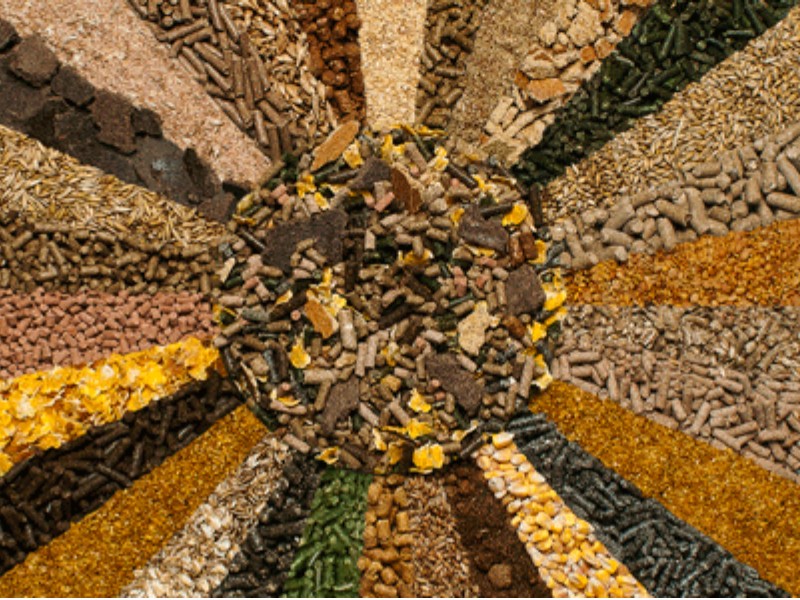
Catfish feed production formula and process details
2026-04-15
What is catfish feed production
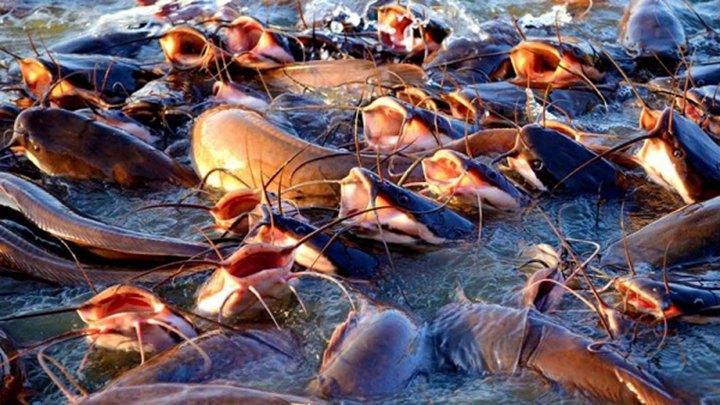
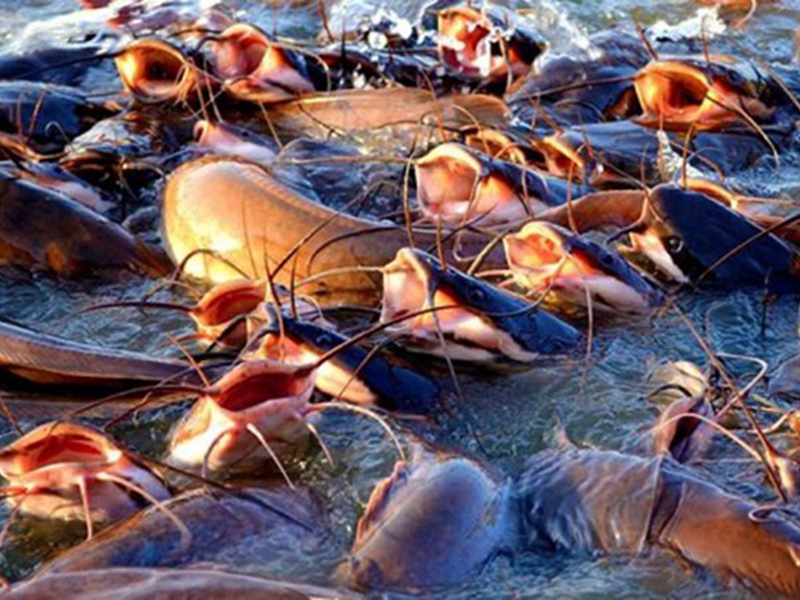
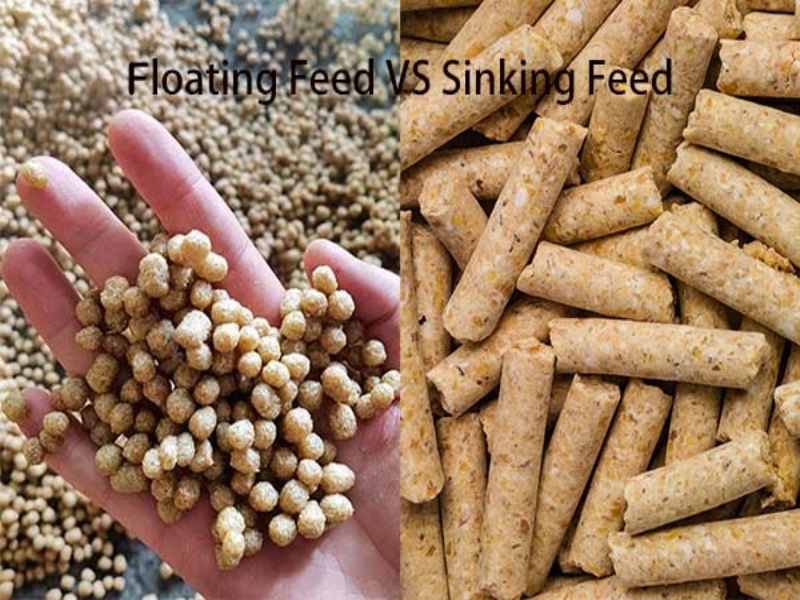
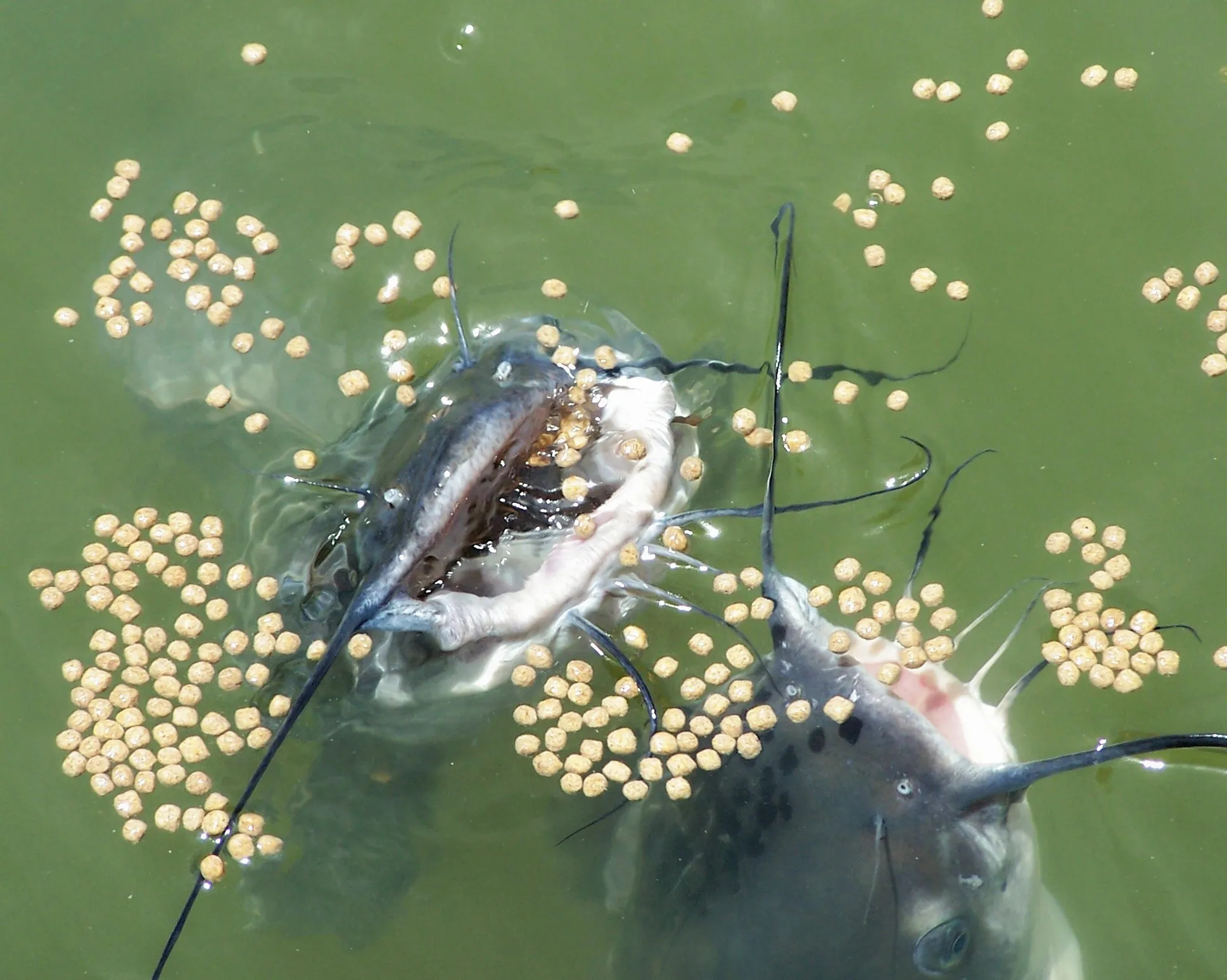
Catfish feed production is based on the nutritional needs of catfish at different stages of growth, a variety of raw materials through screening, crushing, mixing, granulation and other processes, made of feed products suitable for its ingestion and digestion of the process, the core is the scientific ratio and standardization of processing, taking into account the palatability, stability and economy. Catfish feed is mainly divided into floating type, sinking type, puffed type and granular type, floating type made by puffing, easy to observe ingestion; sinking type through the production of granulation, suitable for bottom catfish; puffed type of nutrients are more easily absorbed, granular type is the most widely used.
Reasonable formula is the core of production, which directly determines the growth, survival rate and breeding efficiency of catfish, and poor quality formula will lead to slow growth and water pollution. Feed is divided into commercial feed and homemade feed. Commercial feed has scientific formula and stable quality, which is suitable for large-scale aquaculture; homemade feed has low cost, but the formula and processing precision are not enough, which is suitable for small-scale retailers. The nutritional objectives of different breeding modes are different, with pond intensive breeding focusing on high protein and high energy, and ecological breeding emphasizing environmental protection.
Nutritional Requirements of Catfish
Protein Requirements of Catfish
Protein is the core nutrient for catfish growth, and there are significant differences in demand at different growth stages.
Fry stage (0-4 weeks) needs 45%-50% crude protein, otherwise the survival rate is low and the growth is uneven; seed stage (4 weeks-3 months) down to 40%-45%, taking into account the growth and saving; growth stage (3 months-6 months) is 35%-40%, balancing protein and energy; adult stage (more than 6 months) down to 30%-35%, avoiding the cost of waste and water quality pollution.
Energy Requirement
Energy mainly comes from carbohydrates and lipids, and the ratio of energy to protein should be controlled. Carbohydrates (corn, wheat bran, etc.) are low-cost, provide daily energy, avoid protein waste, and cause digestive problems if too much; lipids (fish oil, soybean oil, etc.) are efficient sources of energy and provide essential fatty acids. Energy-protein ratio: 8-10:1 at fry stage, 10-12:1 at breeder stage, 12-14:1 at growth and adult stage; imbalance in the ratio will affect growth and feed utilization.
Essential amino acids for catfish
Essential amino acids need to be ingested from feed and are vital for growth. Lysine (1.8%-2.2%) promotes protein synthesis, and its deficiency will lead to slow growth; methionine (0.8%-1.0%) helps growth and reproduction, and its deficiency will deteriorate the meat quality; threonine (1.2%-1.5%) promotes immunity; tryptophan (0.25%-0.35%) affects appetite, and a reasonable combination of the four amino acids can guarantee protein synthesis.
Vitamins and minerals for catfish growth
Vitamins and minerals are micro-essential nutrients that need to be supplemented by premixes.
Vitamin premix (add 0.1%-0.2%) contains vitamins A, D, E and B to protect vision, calcium absorption and metabolism; mineral premix (add 1%-2%) focuses on ensuring the balance of calcium and phosphorus (1.5-2:1), to avoid bone deformities, and to ensure normal physiological function.
Commonly used ingredients in catfish feed formulation
Protein sources
Protein raw materials are divided into animal and plant proteins. Fish meal (protein 60%-70%) amino acid balance, is the first choice of fry feed, add 5%-15%; soybean meal (40%-45%) cost moderate, the largest amount (20%-35%); cottonseed meal (35%-40%), peanut cake (40%-45%) can replace soybean meal, need to be detoxified, add 5%-15%; blood meal (protein 80% or more), poultry by-product meal (50%-60%) is animal protein, add 3%-5% and 5%-10% respectively.
Energy source
Energy raw materials are mainly cereals and their by-products. Corn (carbohydrate 70%-75%) is high in energy, add 20%-30%; wheat bran, rice bran (carbohydrate 50%-60%) is low in cost, add 10%-15% and 8%-12% respectively; cassava flour is sticky and can improve the performance of pelleting, add 5%-10%, a reasonable combination of costs can be controlled.
Fat source
Fat raw materials are divided into animal and vegetable fats. Fish oil (add 1%-3%) is rich in unsaturated fatty acids, which helps growth; soybean oil (2%-4%) has good palatability, palm oil (1%-3%) has strong stability, and the total additive amount is 3%-7%, which needs to be added with antioxidant to prevent deterioration, and excessive amount of which is easy to cause fatty liver.
Additives in catfish feed
Although the amount of additives is small, they play a key role. Binder (0.5%-1.5%) enhances the hardness of pellets and stability in water; enzyme (0.1%-0.3%) improves digestibility; probiotics (0.05%-0.1%) regulates the health of intestinal tract; antioxidant (0.02%-0.05%) prolongs the shelf-life; and growth promoter needs to be used in a compliant manner to ensure the safety of products.
Example of catfish feed formulation
Catfish opening feed formula (0-4 weeks)
Opening feed for fry, the formula is: fish meal 25%, soybean meal 35%, wheat bran 10%, corn 15%, fish oil 3%, vitamin premix 0.5%, mineral premix 1.5%, binder 1%, enzyme 0.1%, antioxidant 0.05%, rice bran supplemented to 100%. Crude protein about 48%, easy to digest, good palatability, control fat about 5%, enhance the survival rate of fish fry.
Catfish seed feed formula
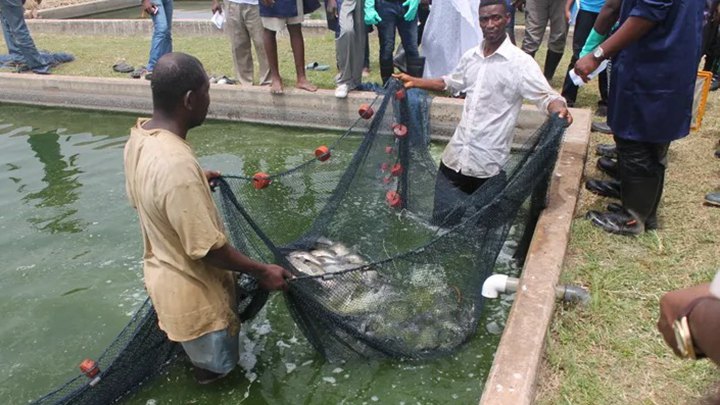
Fish seed feed formula: 15% fish meal, 30% soybean meal, 10% cottonseed meal, 8% peanut cake, 20% corn, 10% wheat bran, 4% rice bran, 2% soybean oil, premix and additives appropriate amount of cassava flour to 100%. Crude protein about 42%, with cottonseed meal, peanut cake to replace part of the soybean meal to reduce costs, can be adjusted according to the local raw materials replacement ratio.
Catfish growth feed formula
Growth feed formula: fishmeal 10%, soybean meal 25%, cottonseed meal 12%, corn 25%, wheat bran 15%, rice bran 8%, palm oil 1.5%, premix and probiotics appropriate amount of cassava flour to 100%. Crude protein 38%, energy-protein ratio 12:1, palm oil to reduce the cost, probiotics to enhance the digestibility, suitable for large-scale production.
Catfish adult feed formula
Adult fish feed formula: fishmeal 5%, soybean meal 20%, cottonseed meal 15%, peanut cake 10%, corn 30%, wheat bran 12%, rice bran 5%, soybean oil 1%, premixes and additives appropriate amount of cassava flour to 100%. Crude protein 32%, feed conversion rate 1.8-2.2:1, significant cost reduction, suitable for large-scale adult fish farming.
Catfish feed production process details
Step 1: raw material screening
Raw material screening is the foundation, need to comply with national feed standards, no mold, impurities, testing protein, moisture and other indicators. The moisture of raw materials is controlled at 12%-14%, stored in dry and ventilated warehouses, separated to avoid contamination, and regularly inspected and cleaned up moldy raw materials.
Step 2: crushing process
The use of hammer crusher, crushing particle size according to the growth stage adjustment: fry 80-100 mesh, fish species and growth stage 60-80 mesh, adult fish 40-60 mesh. Uniform particle size can improve the mixing, granulation quality and digestibility, and reduce the wear and tear of equipment.
Step 3: Dosing and weighing
Divided into automatic and manual dosing, automatic dosing adopts PLC control system, error ≤ ± 0.5%, suitable for large-scale production; manual dosing is suitable for small batch production, with larger error. Weighing equipment needs to be calibrated regularly to ensure that the formula is accurate and avoid nutritional imbalance.
Step 4: Mixing process
Commonly used horizontal screw belt mixer, mixing time 5-10 minutes, mixing uniformity coefficient of variation ≤ 7%. Micro raw materials need to be mixed with the carrier before adding a large number of raw materials to ensure uniform distribution and avoid lumps.
Step 5: Tempering process
Adopt single-axis or double-axis differential speed tempering device, steam tempering control moisture 16%-18%, temperature 80-90 ℃, time 2-3 minutes, so that the starch paste, protein denaturation, to enhance the bonding. Insufficient or excessive tempering will affect granulation and product quality.
Step 6 : granulation or puffing
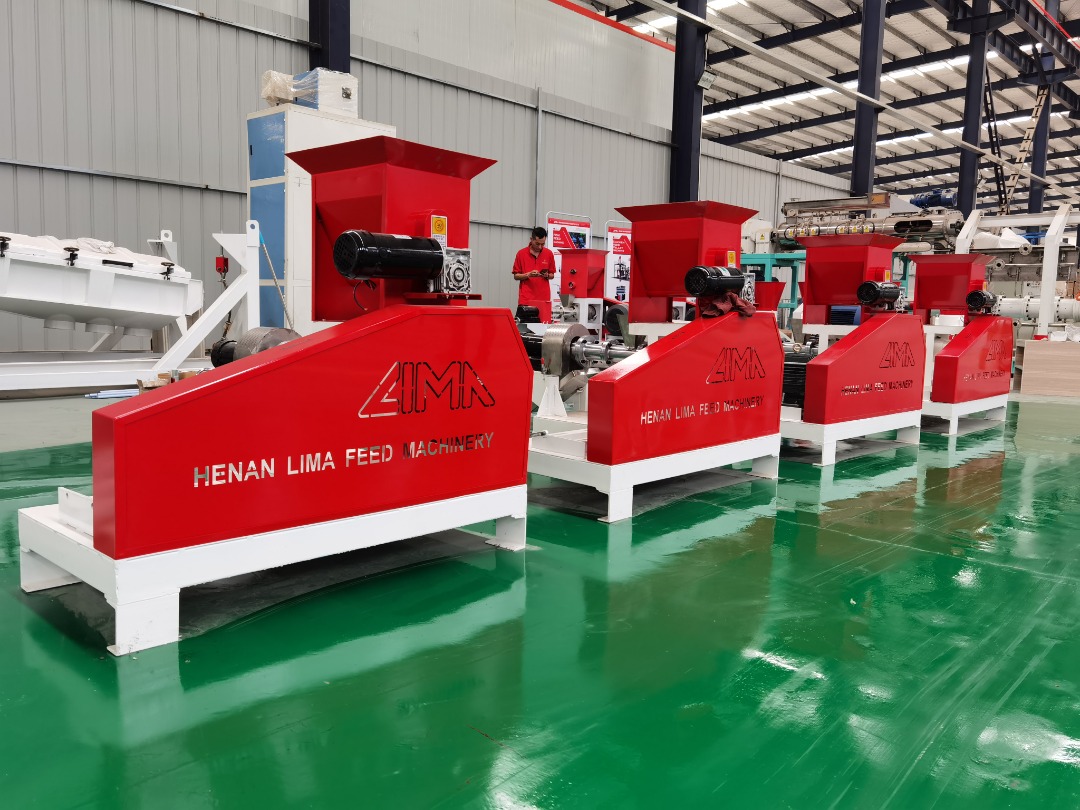
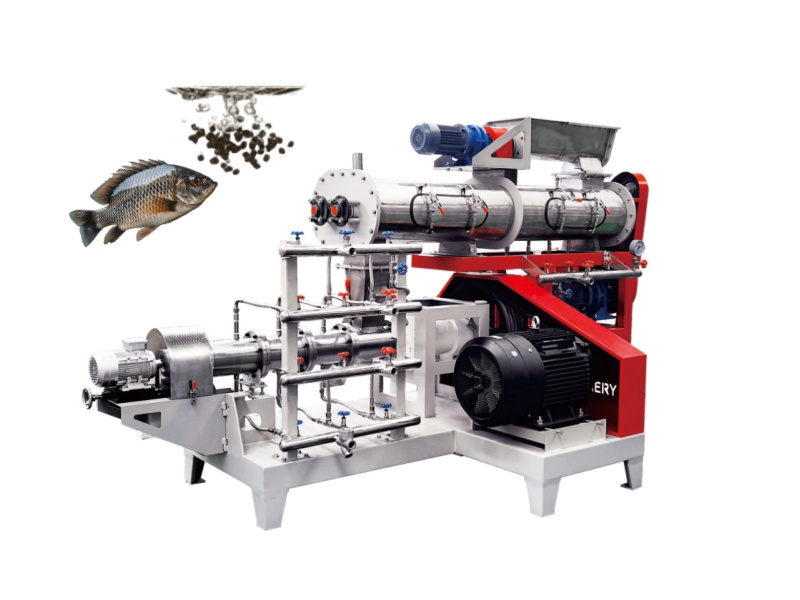
Pelleting with a pellet machine, extruding raw materials into sinking particles, suitable for bottom catfish; puffing with a fish feed puffer, high temperature and pressure to make the particles form a porous structure, made of floating feed, can kill harmful microorganisms. Parameters need to be adjusted to ensure uniform quality of particles.
Step 7: Drying process
Use multi-layer belt dryer to reduce the moisture of particles to 12%-14%, temperature 80-100 ℃, time 15-30 minutes. The temperature is too high to destroy the nutrition, too low easy to mold, need to ensure that the drying is uniform, and regularly clean up the equipment residues.
Step 8: Cooling process
Use counter-current cooler to reduce the temperature of the particles to close to room temperature (temperature difference ≤ 5 ℃), to enhance the hardness and reduce fragmentation. Cooling time 10-15 minutes, cooling is not sufficiently easy to caking, excessive particles are fragile.
Step 9: Screening and crushing
Use vibrating screen and crusher to classify, remove unqualified particles and dust, dust can be recycled. Fry feed need to be crushed after the second screening, regular cleaning of the screen to control dust pollution.
Step 10: Packaging and storage
Use waterproof and moisture-proof packing bags, labeled with relevant information, with a packing weight of 20-50kg, to ensure accurate measurement and tight sealing. Finished products are stored in dry and ventilated warehouses, regularly checked and cleaned up the expired moldy feed.
Comparison of floating and sinking catfish feed production process
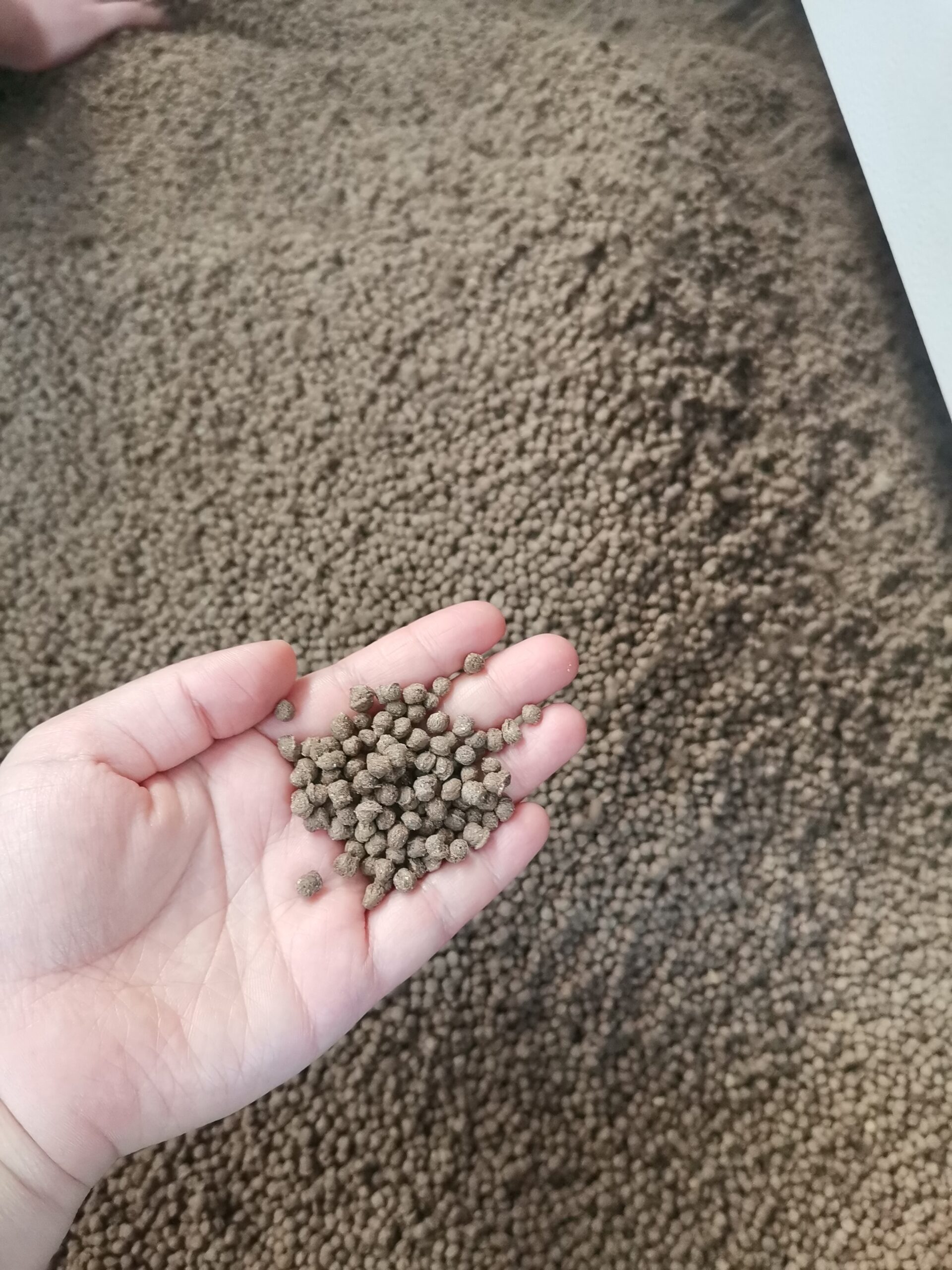
Floating catfish feed production
The core is the puffing process, relying on fish feed puffer, raw materials by 120-140 ℃, 0.8-1.2MPa high temperature and high pressure treatment, the formation of porous structure, floating time ≥ 24 hours, easy to observe ingestion, suitable for large-scale intensive breeding, high security.
Sinking type catfish feed production
The core is the pelletizing process, extruding raw materials with pellet machine, controlling moisture 16%-17%, pressure 0.5-0.8MPa, particle density, sinking fast, suitable for bottom catfish. The process is simple, low cost, suitable for small retailers.
Comparison of floating type and sinking type catfish feeds
In terms of equipment, floating type needs puffing machine and supporting equipment, high investment; sinking type only needs pellet machine, low investment. Cost, floating type is 200-500 yuan per ton higher than sinking type. In terms of performance, floating type has high palatability and digestibility, while sinking type has low cost, which is suitable for different breeding scenarios.
Catfish feed production equipment list
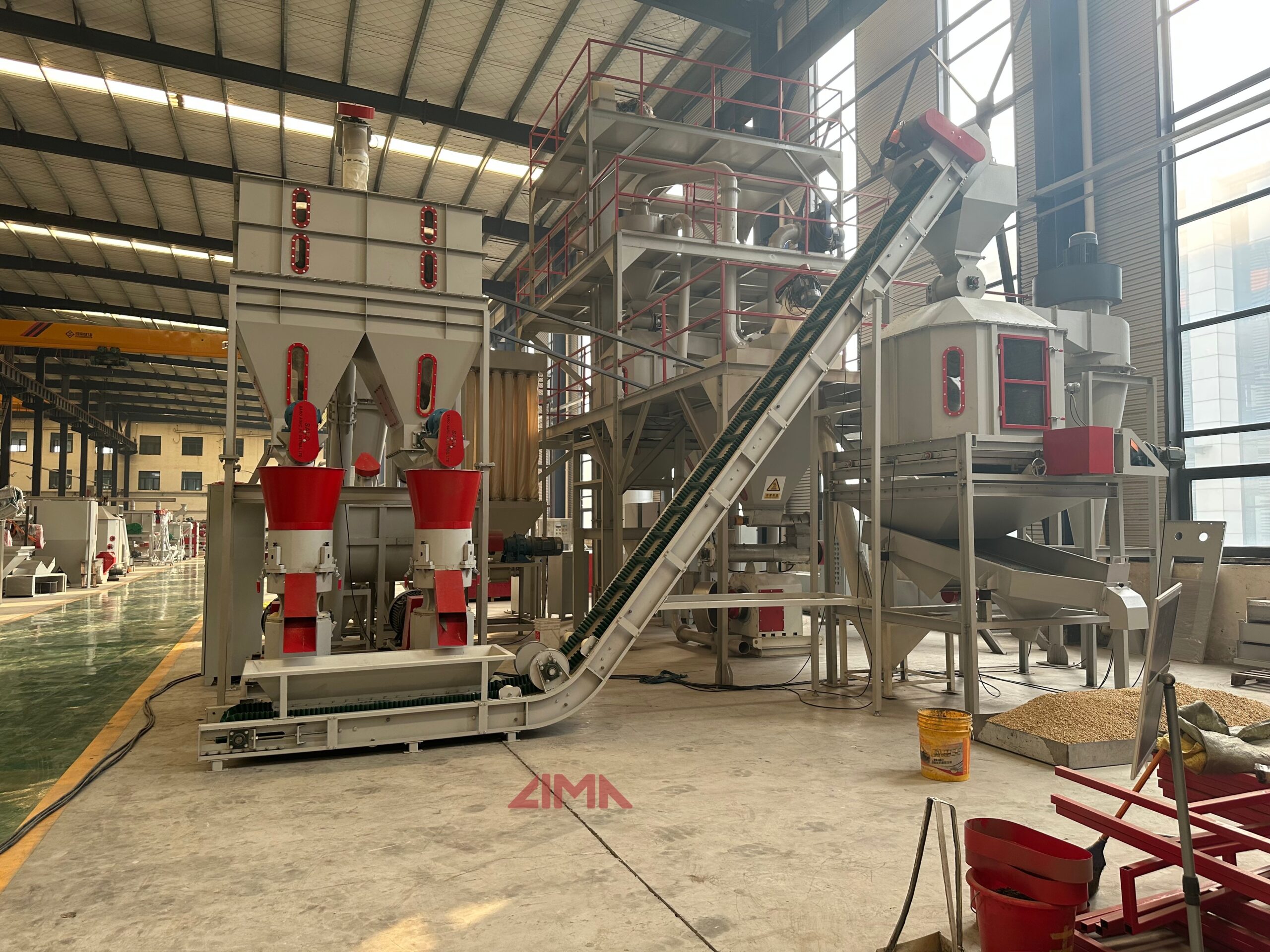
The core equipment includes: hammer flake crusher, horizontal screw belt mixer, screw conveyor, double-axis differential speed conditioner, ring die pellet mill, fish feed expander, multi-layer belt dryer, counter-current cooler, vibrating screen, and automatic/manual packer, which are selected according to the production scale and feed type.
Small catfish feed production process
Suitable for small-scale retailer, the process is raw material screening, crushing, manual batching, mixing, small pelletizing/expanding, simple drying, screening, manual packing. The investment of equipment is 50,000-200,000 RMB, the operation is flexible, and the formula and scale can be adjusted according to the breeding demand.
Production process of commercial catfish feed
Large-scale standardized production, using fully automated production line and PLC control system, production capacity of 1-10 tons / hour, formula error ≤ ± 0.5%. The plant is reasonably partitioned and equipped with environmental protection equipment. Each batch of feed needs to be tested to ensure that it meets the national standards.
Factors affecting the quality of catfish feed
Raw material quality, crushing fineness, mixing uniformity, moisture control, granulation temperature and pressure, drying efficiency all affect the quality of feed. Moldy raw materials, uneven particle size, excessive moisture, etc., will lead to nutritional imbalance, fragile particles, easy to mold, need to strictly control the links.
Cost optimization of catfish feed formulation
Feed cost accounts for 60%-70% of the total cost of aquaculture, optimization methods include: using the lowest cost formulation method, selecting low-cost raw materials; using cottonseed meal, local raw materials to replace high-priced raw materials; precise control of protein content, improve protein utilization, reduce waste, and reduce costs on the premise of ensuring nutrition.
Common problems in catfish feed production
Easy to break particles
Reasons include too coarse crushing, insufficient tempering, insufficient pelletizing pressure, excessive drying or insufficient cooling. Solution: Adjust particle size, optimize tempering parameters, increase pelleting pressure, control drying and cooling conditions.
Feed does not float
Mainly due to insufficient expansion, improper moisture, temperature and pressure. Solutions: adjust the expansion parameters, control moisture, clean the expansion machine mold hole, optimize the ratio of raw materials.
Excessive feed dust
The reason is too fine crushing, uneven mixing, insufficient granulation pressure, screening is not complete. Solution: adjust particle size, optimize mixing, increase pelleting pressure, strengthen screening, equipped with dust collection equipment.
Poor stability in water
Due to insufficient tempering, insufficient binder, insufficient granulation pressure, raw material ratio is not reasonable. Solution: optimize tempering, increase binder, increase granulation pressure, adjust raw material proportion.
Uneven particle size
The reason is that the mold hole is worn, improper cutter, incomplete screening, uneven crushing. Solution: replace the die hole, adjust the cutter, multi-stage screening, optimize the crushing process.
Tips to improve the utilization rate of catfish feed
Optimize the formula and feeding management, control the FCR at 1.8-2.5:1; optimize the crushing and tempering process, add enzymes and probiotics to improve the digestibility; add enticement to increase the intake; adjust the pellet size according to the growth stage (0.8-1.5mm for fry, 5-8mm for adult fish); control the feeding volume and frequency to avoid waste.
Catfish feed particle size comparison table
Fry stage (0-4 weeks) 0.8-1.5mm, seed stage (4 weeks-3 months) 1.5-3mm, growth stage (3 months-6 months) 3-5mm, adult stage (more than 6 months) 5-8mm, can be adjusted according to species and growth.
Conclusion
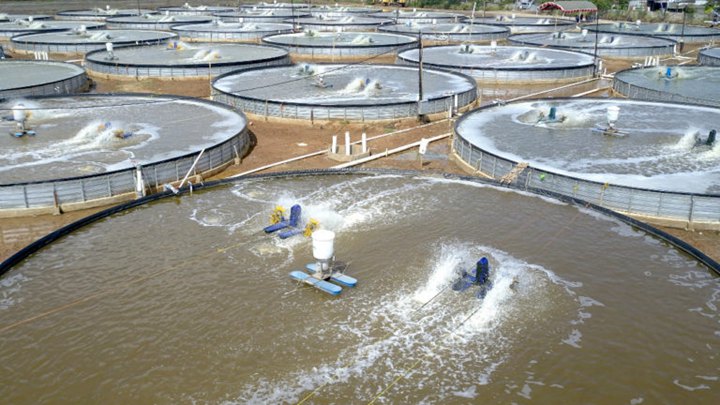
Scientific formulation and standardized production is the core of catfish aquaculture efficiency, which can meet the nutritional requirements of catfish, but also reduce costs and pollution to achieve a win-win situation. Farmers need to choose high-quality feeds, and feed enterprises need to optimize processes and equipment to help catfish aquaculture industry high-quality development.
Next News:
This is already the latest article
Back to List