How to Make Floating Fish Feed?
2026-04-21
Introduction: With the scale and refinement of aquaculture industry, feed quality directly determines the aquaculture efficiency and fish quality, and floating fish feed has become the first choice of the majority of farmers because of its convenience, high efficiency and environmental protection. However, the price of floating fish feeds on the market is on the high side, and it is difficult to fully adapt to the aquaculture needs of different regions and fish species, so the independent production of floating fish feeds has become a key path to reduce the cost of aquaculture and improve the quality of aquaculture. This article combines hands-on experience and professional knowledge, from basic knowledge, raw material selection, production steps, quality control to the advantages of analysis, to provide farmers with a comprehensive, easy to understand, can be a guide to the production of floating fish feed, to help farmers easily master the core skills to achieve efficient aquaculture.
Floating fish feed is a revolutionary product in the field of aquaculture. Compared with sinking feed, it has the advantages of easy to use, higher efficiency and easier to monitor fish health. Whether you are a small-scale farmer or run a large-scale aquaculture base, learning to make floating fish feed can help you reduce costs, improve feed utilization, and in turn boost your profitability. This guide covers everything you need to know – from the definition of floating fish feed and its core ingredients, to the step-by-step production process, local ingredient adjustment methods, and key factors affecting the quality of the feed, taking into account the practicality of searching and the practicality of aquaculture, and helping farmers efficiently master the skills of making floating fish feeds.
What is floating fish feed?
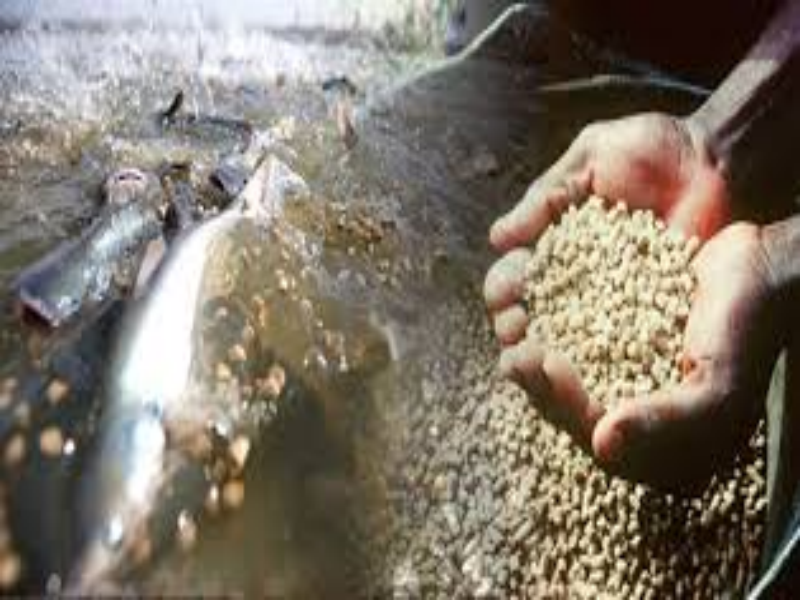
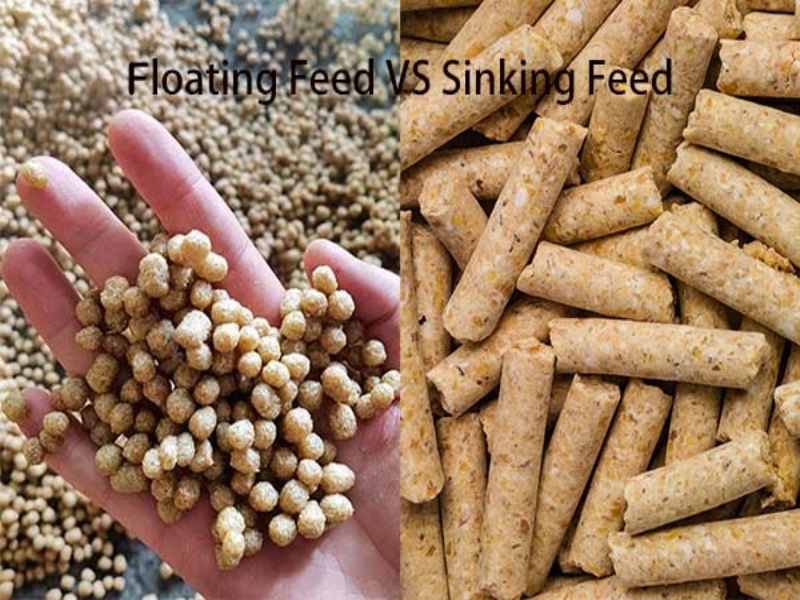
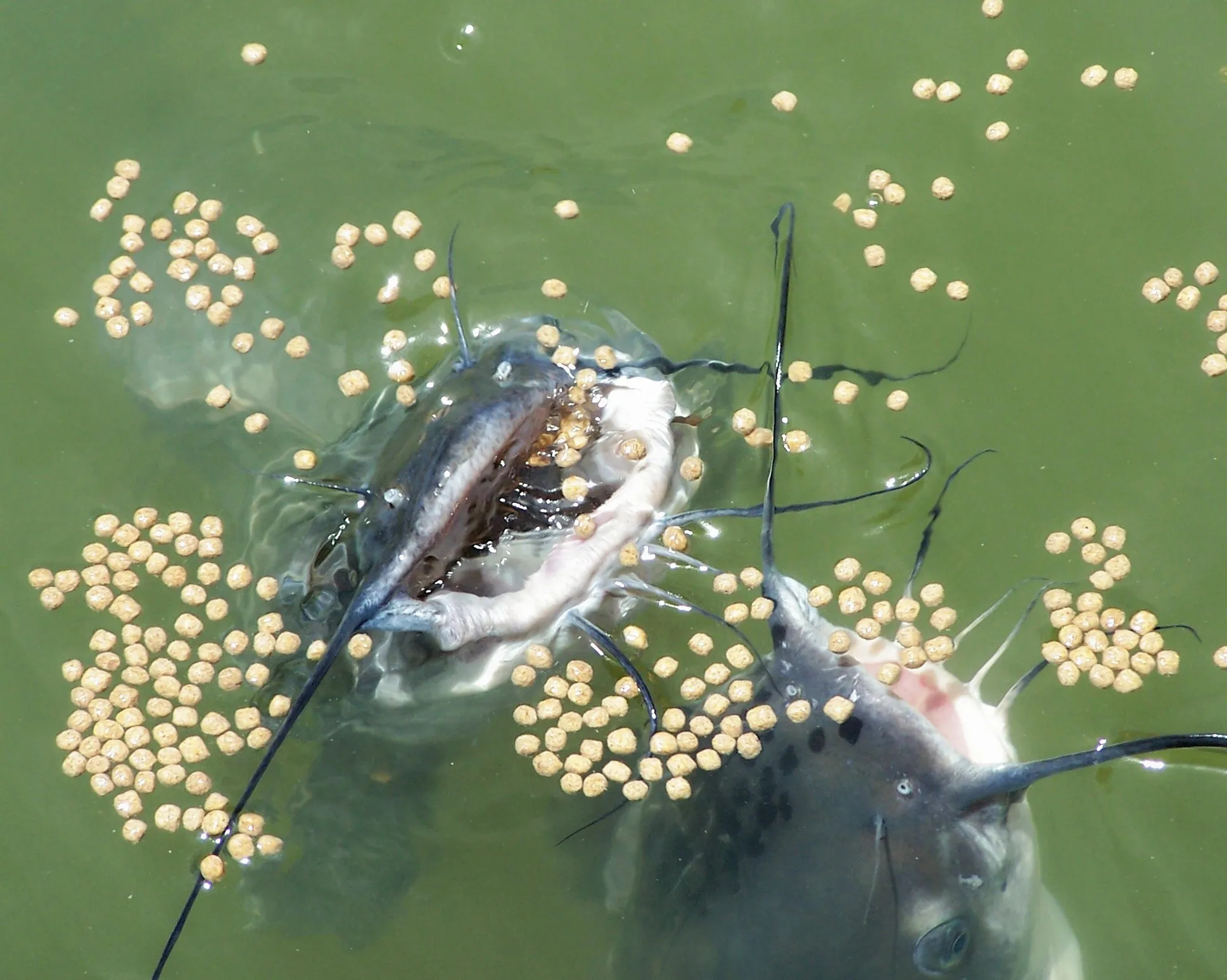
Floating fish feed pellets are usually applied to larger size fry, commercial fish and parent fish. It floats on the surface of the water (and usually stays intact in the water for several hours), and the fish must come up to the surface to feed. This allows farmers to observe the fish on a daily basis, making it easier to monitor their health and vigor, and also to adjust the daily feeding rate to avoid feed wastage and pond pollution problems.
Floating fish feed pellets may have a higher fat content than sinking feed pellets because too much fat can cause sinking pellets to collapse. A higher fat content means higher calories, which is a major advantage for many fish species, including those with feeding difficulties and highly productive fish with high energy requirements.
Fish that are not acclimated to floating fish feed pellets may take a few days to become familiar with their lighter texture and better breathability. Other advantages of floating fish feeds over sinking feeds include lower contamination, greater stability in water (while retaining all nutrients), higher digestibility, better efficiency and higher conversion rates.
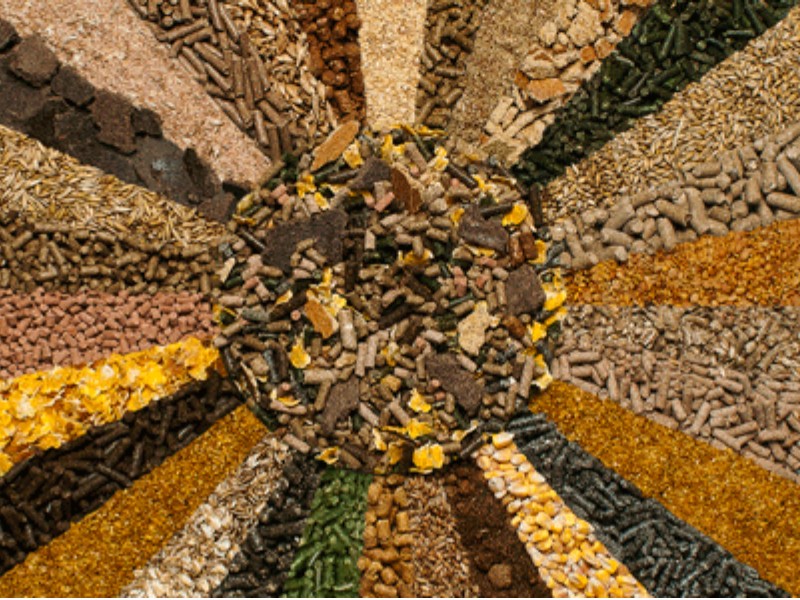
Basic composition of floating fish feeds
Protein
Feed ingredients with a crude protein content of 20% and above are considered as protein supplements. Protein supplements can be categorized into animal and plant proteins, where animal proteins are usually of better quality than plant proteins.
Animal proteins used in fish feeds are derived from marine fish meal, catfish offal meal, meat bone/blood meal, poultry by-product meal, inedible tissues from meat processing or refining plants, and dairy products.
Sources of vegetable protein used in fish feeds include oilseed cake meal (e.g., soybean meal, cottonseed meal, peanut meal), skim milk powder, legumes, and wheat protein.
Energy supplements
Energy supplements are primarily carbohydrates with a crude protein content of less than 20%. The inclusion of non-protein energy sources in fish feeds is critical because they are the most economical source of energy and prevent feed proteins from being used to provide energy. Energy supplements include grains and their by-products (e.g., grains such as wheat, wheat semolina, whole rice bran, and corn), as well as animal fats or vegetable oils.
Among these ingredients, maize contains a large amount of carbohydrates that are difficult for fish or shrimp to absorb, so its content should usually be kept low in the production of aquafeeds; the starch of wheat, which is soft in texture but has excellent malleability and elasticity, is a natural binder that enhances the aquatic stability of fish feeds, allowing them to float on the surface of the water for long periods of time.
Minerals and vitamins
Vitamins and minerals play a key role in fish growth and nutrition. Vitamins and minerals are added to feeds in excess of the amount required for fish growth to compensate for nutrient losses that may occur during feed production or storage. These vitamins and minerals are made from high quality ingredients in a form that is easily digestible by fish.
Common mineral-containing ingredients include fishmeal, shellfish meal, eggshell meal, calcium phosphate and bone meal.
Colors
A variety of natural and synthetic pigments or carotenoids can be used to enhance the appetite of fish, with the most commonly used providing mainly red and yellow colors. Synthetic astaxanthin is the most commonly used additive (added at 100-400 mg/kg).
Cyanobacteria (blue-green algae such as Spirulina), shrimp meal, shrimp oil, palm oil, and extracts of marigolds, red peppers, and fife yeast are all good quality sources of natural colorants.
Selection of ingredients suitable for making floating fish feeds
Is it possible to adapt fish feed ingredients to local ingredients?
Yes, farmers can adjust fish feed ingredients to suit local conditions to reduce ingredient costs and make the best use of local resources while ensuring that the feeds are nutritionally balanced.
Local fish feed ingredients in Ghana
The cost of fish feed is a major constraint to fish farming in sub-Saharan Africa, and Ghana is no exception. As an important country in African aquaculture, Ghana has a shortfall in fish production and relies on imports to supplement it, while feed costs are a key constraint to its aquaculture development – in Ghana, feed accounts for 60-75% of the total cost of fish production. Protein is a major determinant of the high market price of fish feed, partly because some fish feed ingredients (especially fishmeal) compete with human consumption and imported ingredients further increase the cost of farming. Therefore, tapping into local sources of cheap alternative proteins in Ghana has become a key to addressing the high cost of fish feeds and promoting efficient aquaculture development.
Ghanaian farmers generally utilize locally available and abundant ingredients for the production of floating fish feeds that are cost effective and suitable for local aquaculture needs, mainly cereal bran, soybean meal, cottonseed meal, cassava flakes, palm kernel cake, maize, sorghum, and cashew nut husk meal, etc. These ingredients are mostly used by local agriculture and farmers in Ghana. These raw materials are mostly by-products of local agriculture and agro-processing in Ghana, and are widely available and inexpensive, without the need for additional high inputs.
In terms of protein raw materials, in addition to common soybean meal and cottonseed meal, locally available miscellaneous fish (Ghana is rich in fishery resources, miscellaneous fish is low-cost and high in protein content), poultry offal, shrimp meal, and insect proteins (e.g., black gadfly larvae proteins, which can replace part of the fishmeal, reduce costs and ensure protein supply); the highest carbohydrate content of raw materials including cassava starch, maize flour, sorghum flour and cassava flakes, which can provide fish with a good supply of protein and protein. The ingredients with the highest carbohydrate content include cassava starch, maize flour, sorghum flour and cassava flakes, which provide sufficient energy for fish and contribute to the water stability of floating feeds.
local fish feed ingredients in indonesia
As a major aquaculture country in Southeast Asia, Indonesia’s fish farming is an important source of income for local farmers, and reducing the cost of fish feed is a key to improving farm profitability. In Indonesia, fish feed accounts for 60-70% of the total cost of fish production, and high feed costs have limited the development of many small and medium-sized farmers. However, the prerequisite for reducing feed costs is to ensure that the feed is nutritionally balanced to meet the needs of fish growth and development, so as to avoid slow growth and increased diseases due to nutritional deficiencies.
Located in the tropics, Indonesia is rich in agricultural and fishery resources, and local raw materials for the production of high-quality floating fish feeds are readily available at low cost. On the one hand, there are sufficient fishery by-products, including marine fish scraps, miscellaneous fish, shrimp shells, squid offal, etc., which can be crushed and processed to become high-quality animal protein raw materials, which can be turned into treasure and reduce feed costs; on the other hand, there are a wide range of agricultural by-products, such as soybean meal, coconut husk meal, palm kernel cake, cassava flour, rice bran, cornmeal, etc., which are widely sourced and available at a friendly price, and can serve as the These ingredients are widely available and affordable, and can be used as core ingredients for plant protein and energy supplements, which are suitable for the production of floating fish feeds. In addition, locally produced banana peels and cassava pomace can also be added to feeds as supplementary ingredients after fermentation to further reduce the cost of aquaculture.
Do all farmed fish eat the same feed?
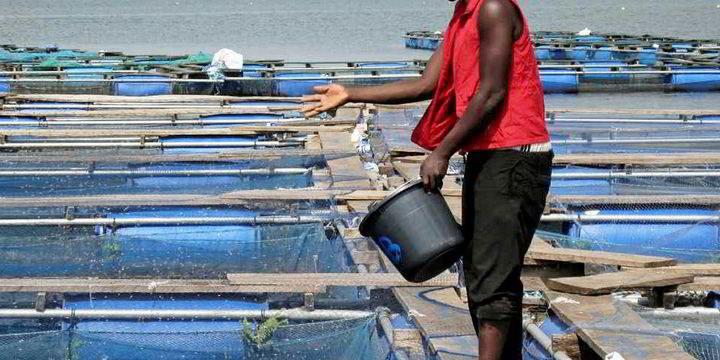
No. Different species of fish have different nutritional requirements. Different species of fish have different nutritional requirements. Feed mixtures for herbivorous fish may contain vegetable proteins (e.g. soy, corn), vegetable oils, minerals and vitamins; while feeds for carnivorous fish (and many herbivorous fish) contain fish oils, animal proteins, vegetable proteins, minerals and vitamins that meet the nutritional needs of the fish and provide health benefits to humans. Traditionally, feeds for carnivorous fish contain 30-50 percent fishmeal and fish oil.
When choosing fish feed formulations, the following principles need to be followed: according to the nutritional requirements of cultured fish and the nutritional value of the feed (different fish have different nutritional requirements depending on their species, age, body weight, habits, physiological conditions and even the water environment); according to the palatability and digestibility of the feed; according to the balance of proteins and amino acids in order to meet the requirements specified in the nutritional standards; and reducing the The cost of raw materials is reduced on the basis of ensuring nutrition and realizing maximum economic benefits.
Steps for making floating fish feed
After choosing suitable formula, the key is to master the production process of floating fish feed, the specific steps are as follows:
Crushing and mixing
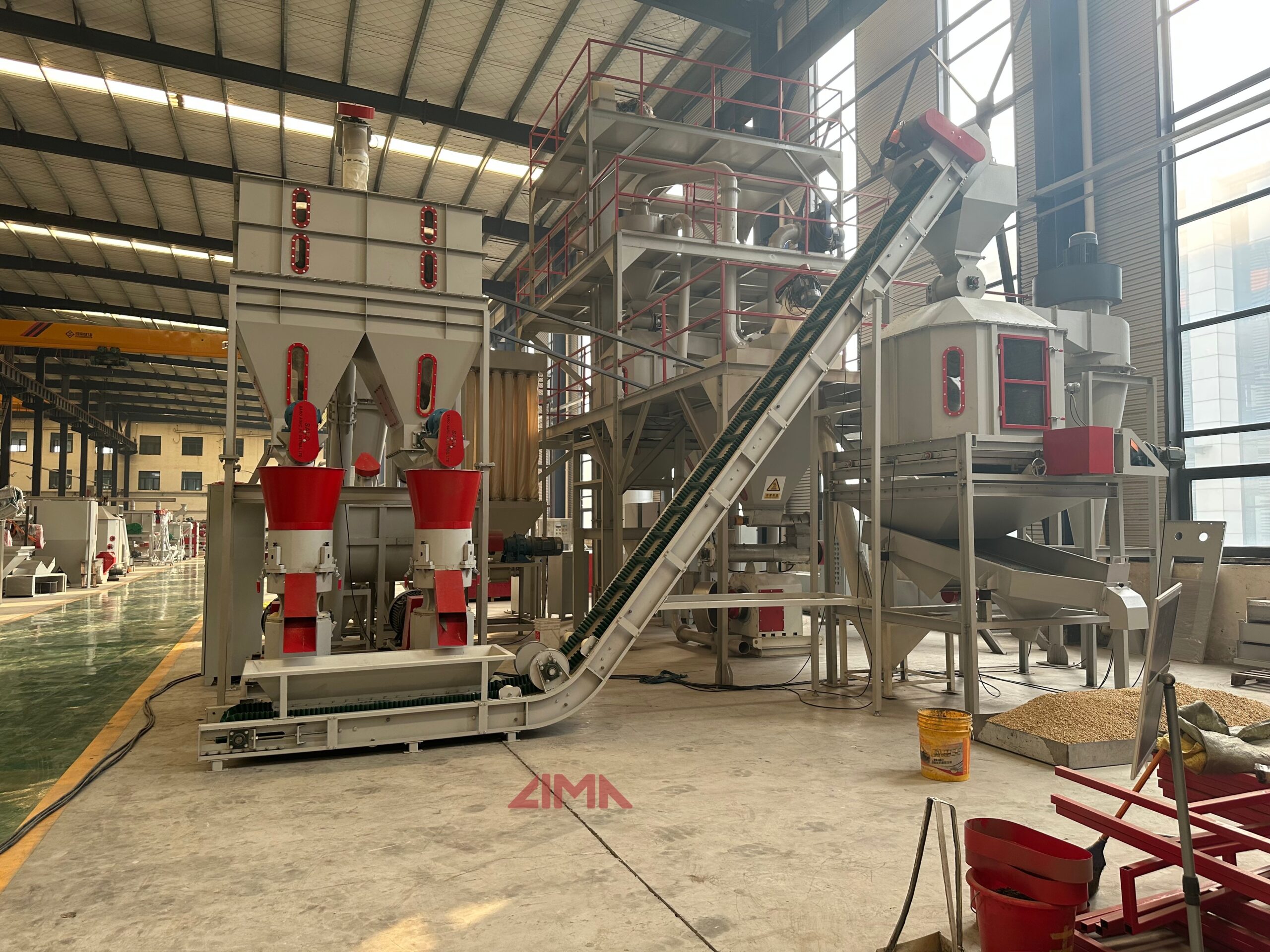
Before making pellets, the main ingredients of a floating fish feed need to be crushed and mixed. LIMA therefore recommends the use of relevant specialized equipment – fish feed mixers and fish feed mills – designed to produce high quality floating feeds that are water stable and suitable for fish digestion. After weighing the ingredients according to the weight proportions in the recipe, farmers use a teardrop fish feed mill to pulverize the ingredients to 60-100 mesh, then add the other ingredients and mix them evenly through the fish feed mixer. Pulverizing helps to increase the surface area of the ingredients, improve mixing uniformity, and make the feed more digestible (this is especially important for animals with small intake such as fish); in addition, mixing and pulverizing of the ingredients also helps the subsequent pelleting and extrusion molding.
Pelleting and extrusion
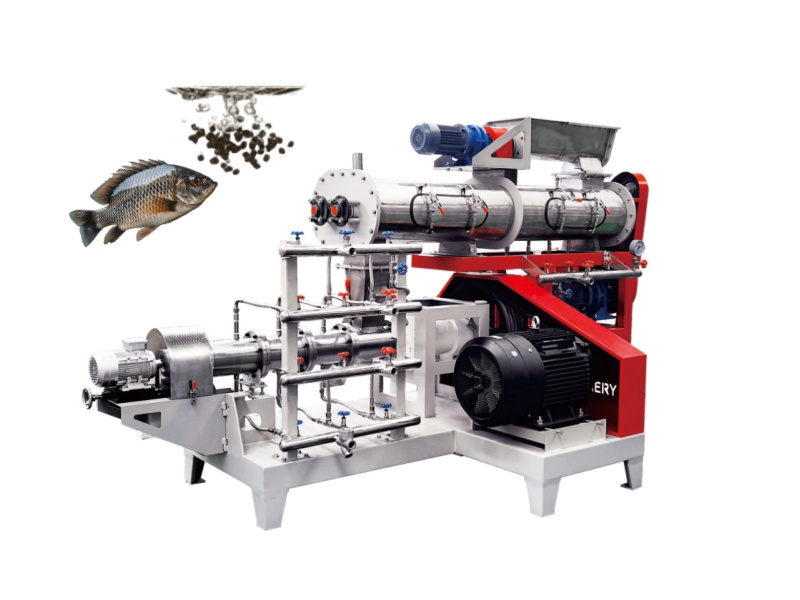
In the extrusion process, the raw material generates heat through mechanical energy under the action of the screw, the shear plate and the inner wall of the expansion chamber. The raw material melts under high temperature and pressure, and extrudes out from the fish feed extruding and puffing machine, realizing volume expansion due to the sudden pressure drop. Farmers can choose from a wide range of extruders with different die hole sizes according to their actual needs. LIMA offers fish feed extruders with die hole sizes ranging from 0.8 mm to 12 mm, which are suitable for the growth needs of fish at different stages of growth.
Drying and cooling
Floating fish feed pellets come out of the pelletizing die with a high moisture content and are usually sticky. Therefore, farmers may also need specialized and improved drying equipment after mastering the method of making floating feeds. After the drying and cooling process, the feed can be stored in dry and ventilated warehouses to maintain quality. The use of a fish feed dryer/cooler makes the feed easier to store, making drying and cooling an important part of the feed processing.
Key parameters affecting feed quality
Temperature
Temperature is one of the core parameters affecting the expansion effect of floating fish feed. It is not that the higher the temperature, the better the expansion effect, but the easier it is to achieve the ideal expansion state of fish feed in the appropriate height range. The “suitable high temperature” is a reasonable temperature range that has been verified by long-term breeding practice and is suitable for the production of floating fish feeds, which can meet the demand of raw material expansion and will not affect the quality of feed due to too high or too low temperature. Too high a temperature will lead to over-expansion of feed, loose particles, easy to collapse, but reduce the stability of the feed in the water, can not float on the surface of the water for a long time; too low a temperature is difficult to trigger the expansion of raw materials, the density of the feed is too large, and can not achieve the floating effect. Therefore, when making floating fish feed, the temperature setting of the extruder should be strictly controlled in a suitable higher range to ensure that the raw materials are fully expanded, the particles are well formed and float stably; while when making sinking fish feed, there is no need to pursue a high expansion effect, and the temperature setting of the extruder is relatively low, so as to avoid over-expansion of the feed affecting the sinking performance, and to meet the demand for sinking feed.
Raw material
In the formula design of floating fish feed, the type and proportion of raw materials directly determine the floating performance of the feed, so we can classify the core ingredients in the formula into the following two categories according to the expansion characteristics, so as to facilitate the farmers to accurately control the proportion of the formula, and to ensure that the feed achieves the ideal floating effect:
A. Protein, fiber, oil and grease raw materials (such as fishmeal, bone meal, soybean meal, cottonseed meal, animal fats and oils, plant fibers, etc.): the common characteristic of these raw materials is not easy to be expanded, its molecular structure is relatively tight, it is difficult to occur in the high temperature and high pressure expansion process volume expansion. Therefore, the higher the proportion of such raw materials in the formula, the higher the overall density of the feed, the weaker the buoyancy, the fish feed is also easier to sink, not conducive to the production of floating feed. In the actual formulation, the proportion of such raw materials should be strictly controlled, especially protein raw materials, on the basis of meeting the nutritional requirements of fish, to avoid excessive addition, to prevent affecting the floating performance of the feed.
B. Starch raw materials (e.g. corn flour, wheat flour, rice flour, tapioca, etc.): starch raw materials are the core of floating fish feeds to achieve the floating power, these raw materials have good expansion characteristics, in the high temperature and high pressure environment of the puffer, starch will be pasteurized, melting reaction occurs, the volume of the rapid expansion of the internal formation of the porous structure, which reduces the overall density of the feed, so it can be stably floated on the water surface. Therefore, the higher the proportion of such raw materials in the formula, the better the puffing effect of the feed, the stronger the floating performance. It should be noted that there are differences in the expansion effect of different starch raw materials, such as wheat flour expansion effect is better than corn flour, according to the local raw material resources can be selected flexibly, taking into account the floating performance and cost control.
Moisture
Moisture is one of the key parameters affecting the puffing effect, molding quality and storage stability of floating fish feed, and its content is directly related to whether the feed can achieve ideal floating performance, and also affects the palatability, digestibility and shelf life of the feed, so it must be strictly controlled in a reasonable range. When making floating fish feed, the moisture content of raw materials should be precisely controlled in the optimal range of 13%-15%, which can not only meet the paste and melting requirements of raw materials in the process of puffing, but also help starch raw materials to fully puff up and form a porous structure, so as to ensure the floating stability of the feed, but also avoid too high a moisture content that leads to the sticking of raw materials, over-expansion, and the appearance of loose particles that are easy to collapse, as well as preventing too much moisture. At the same time, it can also prevent too low moisture leading to insufficient expansion, feed density is too large, unable to achieve the floating effect. When making sinking fish feed, the moisture content of the raw material should be controlled at about 20%, which is slightly higher than that of floating feed. This is because sinking feed does not need to pursue a high expansion effect, and the higher moisture content can help the raw material to be better bonded and molded to ensure that the particles are tight and can sink to the bottom of the water quickly, which is suitable for the scenario of using sinking feed. Whether making floating or sinking fish feeds, only by strictly controlling the moisture in the corresponding reasonable range can we ensure that the feed particles are well formed and of stable quality, which not only meets the feeding and nutritional needs of fish, but also improves the storage performance of feeds and avoids mold and nutrient loss of feeds due to inappropriate moisture, so as to make fish feeds of good quality and suitable for aquaculture needs.
Advantages of floating fish feed
Long floating time for easy feeding and monitoring
Floating fish feed pellets can float on the surface of the water for about 24 hours (pellets produced by the Floating Fish Feed Machine), making feeding convenient and labor-saving. Due to the puffing treatment, the feed can float on the surface of the water, and the feeding situation of the fish can be clearly observed after feeding, so that it is easy to adjust the feeding quantity according to the feeding situation; at the same time, through the feeding quantity and the feeding situation of the fish, it can accurately understand the growth and health situation of the fish, and the farmers can calculate the appropriate feeding quantity according to the species, specification, number of the fish, the temperature of the water, and the feeding rate.
Improve feed utilization
Due to the high-temperature and high-pressure processing technology of the floating fish feed machine, the starch in the feed will be cooked, and the fat will be easier to be digested and absorbed, thus improving the palatability and digestive absorption rate of the feed. In addition, during the expansion process, the raw materials undergo physical and chemical changes, and the powder rate of expanded floating fish feed pellets is usually controlled within 1%, which directly improves the effective utilization rate of feed. Typically, fish cultured on expanded floating feeds can save 5-10% of feed compared to powdered feeds or other pellets.
Protecting the aquatic environment
Floating fish feed pellets reduce water pollution. Floating fish feed produced by this fish feed machine will not dissolve in the water for a long time, and the high quality floating fish feed can float for about 24 hours, and it is easy to observe and control the feeding amount, which is extremely beneficial to the environment protection and the growth of fish.
Conclusion
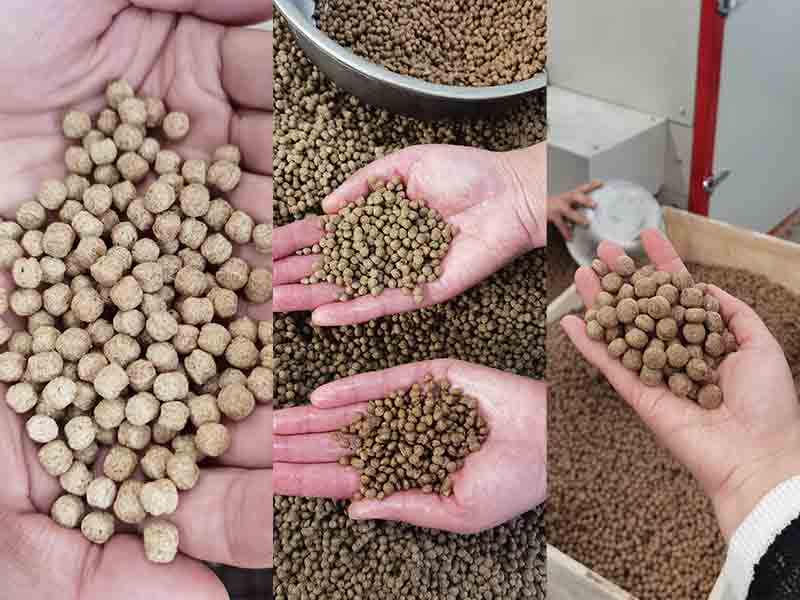
The core of making floating fish feed lies in “balanced nutrition, appropriate technology and localization”. By mastering the ratio of raw materials, key production steps and quality control parameters, we can independently produce high quality floating feeds to meet our own aquaculture needs.
This article introduces in detail the definition, composition, local raw material adjustment method, step-by-step production process, quality influencing factors and core advantages of floating fish feeds, covering the whole dimension from theory to practice. Farmers can combine their own culture species, local raw material resources, and flexibly adjust the formula and process, which can effectively reduce feed costs (save 5%-10% of feed consumption), but also enhance the growth efficiency of fish, protect the environment of aquaculture water, and ultimately maximize the benefits of aquaculture. Whether it is a small-scale retailer or a large-scale aquaculture base, as long as you follow the guidelines in this article, you can easily master the skills of floating fish feed production for aquaculture business escort.
Next News:
This is already the latest article
Back to List